Supreme Court Verdict: Association for Democratic Reforms & Ors. v. Election Commission of India & Ors.
Citation: 2026 INSC 564
Case No.: W.P. (C) No. 640 of 2025 with connected writ petitions
Judgment Date: 27 May 2026
Bench: Chief Justice Surya Kant और Justice Joymalya Bagchi
मुख्य मुद्दा: Bihar में Election Commission द्वारा कराई गई Special Intensive Revision (SIR) की constitutional और statutory validity, electoral-roll verification, documents की requirement और citizenship eligibility की limited scrutiny.
बिहार की voter list में Special Intensive Revision यानी SIR शुरू हुई तो विवाद केवल इस बात का नहीं था कि किस voter को कौन-सा document देना होगा।
असल सवाल इससे कहीं बड़ा था—क्या Election Commission को संविधान और Representation of the People Act के तहत इतनी व्यापक revision करने की power है? क्या existing voters से दोबारा verification कराना कानूनन वैध है? क्या voter list में नाम बनाए रखने के लिए citizenship से जुड़े documents मांगे जा सकते हैं? और क्या Election Commission citizenship की जांच कर सकता है?
इन सवालों ने सीधे Article 324, Article 325, Article 326, Article 327, Representation of the People Act, 1950 और Registration of Electors Rules, 1960 को एक ही constitutional framework में ला खड़ा किया।
Supreme Court ने 27 May 2026 को petitions dismiss करते हुए Bihar SIR को वैध माना। Court ने कहा कि Election Commission की यह exercise Article 324 और Section 21(3) of the Representation of the People Act, 1950 से trace की जा सकती है, इसका उद्देश्य legitimate था, adopted measures proportionality की कसौटी पर टिकते हैं और procedure statutory safeguards के अनुरूप था। साथ ही Court ने यह महत्वपूर्ण distinction बनाया कि Election Commission electoral-roll purpose के लिए limited citizenship inquiry कर सकता है, लेकिन Citizenship Act के तहत citizenship का final adjudication उसका काम नहीं है।
मामला शुरू कैसे हुआ?
Bihar में electoral rolls की Special Intensive Revision कोई अचानक शुरू हुई administrative activity नहीं थी। Election Commission ने 24 June 2025 को एक order जारी किया, जिसके जरिए Bihar की प्रत्येक Assembly Constituency में SIR शुरू करने का निर्देश दिया गया।
Commission ने इस exercise को Article 324 of the Constitution read with Section 21(3) of the Representation of the People Act, 1950 के तहत किया। Commission के सामने electoral rolls की accuracy और integrity से जुड़े कई concerns थे—बड़े पैमाने पर migration, deaths की reporting न होना, duplicate entries और demographic changes जैसे factors।
यहां एक महत्वपूर्ण background था।
Bihar में पिछली Special Intensive Revision 2003 में हुई थी। उसके बाद दो दशकों से अधिक समय तक electoral rolls को मुख्यतः summary revisions के जरिए update किया गया था। Supreme Court ने इसी historical difference को बाद में 2003 roll को reference point बनाने के justification में महत्वपूर्ण माना।
SIR में 2003 की voter list को reference point क्यों बनाया गया?
Commission ने 2003 electoral roll को एक महत्वपूर्ण baseline बनाया।
जिन electors के नाम 2003 की roll में थे, उन्हें presumptively eligible माना गया और उनसे fresh documentation का वही burden नहीं रखा गया जो उस reference roll में absent persons पर आया।
इसके विपरीत, जिन लोगों के नाम 2003 roll में नहीं थे, उन्हें Enumeration Form के साथ prescribed government documents में से एक या अधिक documents देने थे।
यहीं से बाद में पूरा controversy पैदा हुआ—क्योंकि सवाल उठा कि किसी ऐसे व्यक्ति से, जिसका नाम वर्तमान electoral roll में पहले से मौजूद है, दोबारा इतनी व्यापक verification क्यों कराई जा रही है?
SIR में voter को क्या करना था?
SIR framework में Booth Level Officers ने house-to-house exercise के जरिए pre-filled Enumeration Forms पहुंचाए और completed forms collect किए।
2003 roll में नाम मौजूद होने की स्थिति और 2003 roll में नाम न होने की स्थिति के बीच documentation requirement अलग थी। 2003 roll में शामिल electors के लिए fresh documents का burden उसी तरह नहीं रखा गया, जबकि बाद की category में prescribed list के documents की requirement आई।
इसका उद्देश्य Commission के अनुसार यह पता लगाना था कि current electoral roll में कौन लोग कानूनन elector बने रहने के लिए eligible हैं।
लेकिन यही वह stage था जहां petitioners ने कहा कि electoral-roll revision और citizenship verification के बीच सीमा धुंधली की जा रही है।
Supreme Court में चुनौती क्यों दी गई?
जब SIR की प्रक्रिया शुरू हुई, तो अलग-अलग petitions के जरिए Supreme Court के सामने इसके constitutional और statutory validity को चुनौती दी गई।
चुनौती का आधार केवल documents की संख्या नहीं था। Petitioners ने Commission की power, procedure, voter rights, citizenship scrutiny और verification के आधार पर सवाल उठाए।
Supreme Court के सामने चार बड़े questions उभरे:
- क्या ECI को Bihar में Special Intensive Revision करने की power थी?
- क्या exercise का उद्देश्य legitimate था और measures proportionate थे?
- क्या SIR Representation of the People Act, 1950 और Registration of Electors Rules, 1960 के अनुरूप थी?
- क्या ECI electoral-roll inclusion के लिए citizenship status की scrutiny कर सकता है?
यानी विवाद की असली लड़ाई “कौन-सा document लगेगा” से पहले “ECI यह पूरी exercise कर भी सकता है या नहीं” पर थी।
Supreme Court के सामने असली कानूनी सवाल क्या थे?
इस case में Court को पहले यह तय करना था कि SIR के लिए constitutional source of power और statutory source of power क्या है।
उसके बाद ही यह सवाल अर्थपूर्ण बनता था कि documents की requirement वैध थी या नहीं।
इसीलिए Court ने Article 324 और Parliament द्वारा बनाए गए election laws के बीच relationship को पहले समझा।
Election Commission को SIR की Power संविधान से कहाँ से मिलती है?
Election Commission की constitutional power का starting point Article 324 है।
Article 324 elections की superintendence, direction और control Election Commission में vest करता है। दूसरी ओर Article 327 Parliament को elections से संबंधित matters पर कानून बनाने की power देता है, जिसमें electoral rolls की preparation भी शामिल है।
यहां पहली नजर में दोनों powers competing दिखाई दे सकती हैं—एक तरफ Constitution ने ECI को power दी और दूसरी तरफ Parliament को election matters पर legislation बनाने की power दी।
Supreme Court ने इसी apparent conflict को resolve किया।
Article 324 क्या Power देता है?
Supreme Court ने Article 324 को केवल एक formal supervisory provision नहीं माना।
Court ने कहा कि Article 324 Election Commission को electoral process की integrity बनाए रखने के लिए आवश्यक constitutional powers देता है। लेकिन यह power unlimited नहीं है—Commission को valid parliamentary law के खिलाफ जाकर काम करने की अनुमति नहीं है।
इसलिए Article 324 को इस तरह नहीं पढ़ा जा सकता कि ECI जो चाहे वह कर सकता है।
लेकिन इसे इतना narrow भी नहीं पढ़ा जा सकता कि Parliament ने किसी particular procedural matter पर legislation बना दिया तो Commission की constitutional functions पूरी तरह समाप्त हो जाएं।
Article 327 और Article 324 का रिश्ता क्या है?
Supreme Court ने दोनों provisions को complementary माना, competing नहीं।
Article 327 Parliament को election-related legislation बनाने की power देता है, जबकि Article 324 Election Commission को constitutional electoral functions देता है।
Court ने स्पष्ट किया कि Parliament का legislation Article 324 की constitutional foundation को समाप्त नहीं करता। दूसरी तरफ Article 324 की power भी valid parliamentary legislation के विपरीत इस्तेमाल नहीं की जा सकती।
यही इस judgment का एक महत्वपूर्ण constitutional balance है।
Article 326 इस विवाद में क्यों आया?
Article 326 universal adult suffrage का constitutional framework देता है और electoral eligibility को citizenship से जोड़ता है।
Supreme Court ने इसी provision को देखते हुए कहा कि electoral roll की integrity बनाए रखने के लिए Commission को यह सुनिश्चित करने की constitutional responsibility है कि केवल legally eligible persons electoral roll में बने रहें।
यानी Court के सामने केवल inclusion का प्रश्न नहीं था।
Electoral roll को accurate रखने के लिए दो objectives साथ-साथ हैं:
eligible voter छूटे नहीं
और
ineligible person शामिल न रहे।
Court ने बाद में proportionality analysis में इसी dual objective को महत्वपूर्ण माना।
Representation of the People Act, 1950 में ECI को क्या Power मिली?
Constitutional foundation के बाद statutory framework आता है।
Supreme Court ने विशेष रूप से Section 21(3) of the Representation of the People Act, 1950 को SIR की autonomous statutory source of power माना।
Section 21(3) में special revision के लिए Commission को व्यापक latitude दिया गया है। Court ने “at any time”, “for reasons to be recorded” और “in such manner as it may think fit” जैसी statutory expressions को साथ पढ़ते हुए माना कि Commission के पास special revision direct करने की substantive और procedural flexibility है।
Section 21(3) को Court ने इतना महत्वपूर्ण क्यों माना?
Petitioners का एक central argument यह था कि Commission ने ordinary revision से आगे जाकर ऐसी exercise शुरू कर दी जिसके लिए पर्याप्त statutory foundation नहीं था।
Supreme Court ने यह objection स्वीकार नहीं किया।
Court ने माना कि Section 21(3) कोई खाली formal provision नहीं है। यह Commission को special revision के लिए स्वतंत्र statutory basis देता है।
और statewide exercise भी इसलिए invalid नहीं हो जाती क्योंकि provision में “any constituency” लिखा है। Context के अनुसार “any” का अर्थ “all” या “many” भी हो सकता है, और जब reasons statewide हों तो सभी constituencies को एक exercise में cover किया जा सकता है।
2003 की Voter List को Supreme Court ने क्यों स्वीकार किया?
अब सवाल उस reference year पर आता है जिसने SIR की पूरी architecture को shape किया।
Petitioners ने 2003 को reference point बनाने की legality पर सवाल उठाया। Supreme Court ने इसे arbitrary नहीं माना।
Court के सामने factual record यह था कि Bihar में 2003 में पिछली Special Intensive Revision हुई थी और उसके बाद rolls मुख्यतः summary revisions के जरिए update हुए थे। Intensive revision और summary revision के nature में अंतर को Court ने महत्वपूर्ण माना।
क्या 2003 की entry final proof मानी गई?
नहीं।
यहां Court ने एक महत्वपूर्ण distinction बनाया।
Existing electoral-roll entry एक rebuttable evidentiary presumption पैदा कर सकती है कि उस समय inclusion की आवश्यक conditions पूरी हुई थीं। Court ने इसे Section 114 of the Evidence Act, 1872 के evidentiary principle से जोड़ा। लेकिन यह presumption ऐसा conclusive rule नहीं है जो Commission को बाद में systemic verification करने से रोक दे।
इसलिए 2003 में नाम होना मजबूत evidentiary position दे सकता है, लेकिन वह ECI की constitutional/statutory revision power को permanently freeze नहीं करता।
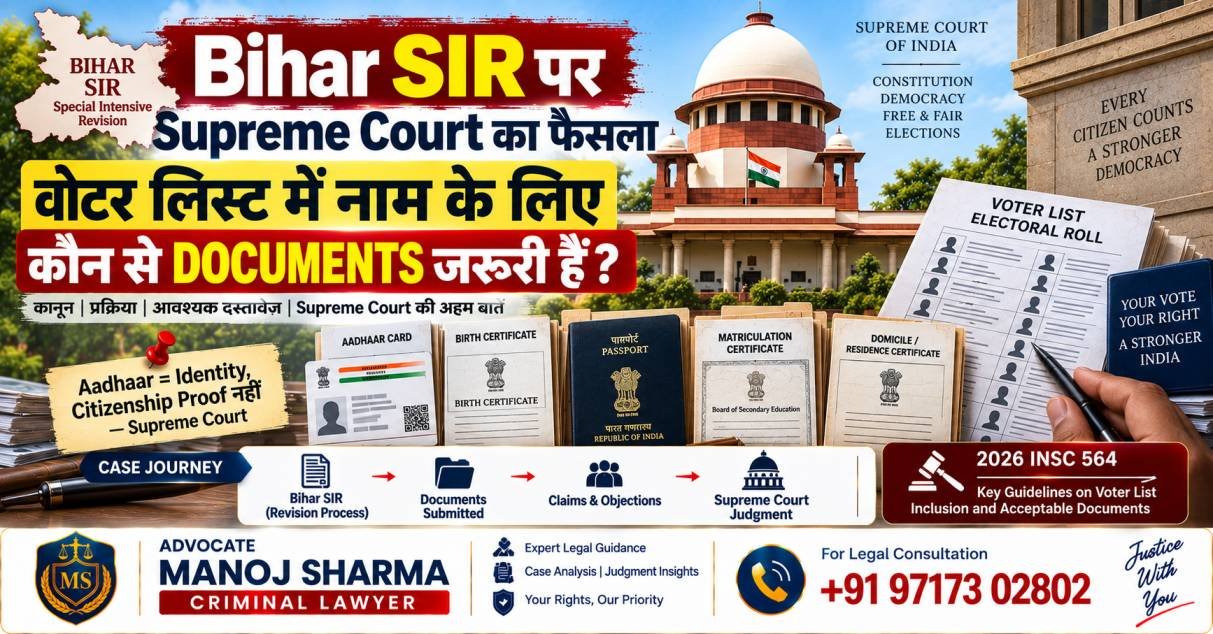
SIR में कौन से Documents मांगे गए?
अब हम उस practical सवाल पर आते हैं जिसके कारण आम voter सबसे ज्यादा परेशान हुआ—अगर नाम 2003 की roll में नहीं है तो क्या देना होगा?
SIR framework में 2003 roll में नाम नहीं रखने वाले persons से Enumeration Form के साथ prescribed list में से government documents मांगे गए।
Official Supreme Court record के अनुसार यह list 11 documents की थी। बाद की proceedings में Supreme Court ने Aadhaar को identity establish करने के लिए 12th document के रूप में स्वीकार करने का direction दिया।
यहां एक legal distinction अत्यंत महत्वपूर्ण है:
Aadhaar identity का document हो सकता है; वह citizenship का proof नहीं बन गया।
Supreme Court ने इस distinction को expressly maintain किया।
Ration Card को लेकर Court ने क्या माना?
Court ने documentation regime को arbitrary नहीं माना और ration card को exclude करने के पीछे evidentiary reliability से जुड़े concerns को स्वीकार किया।
इसका मतलब यह नहीं कि ration card सामान्य जीवन में बेकार document है।
Issue यह था कि special electoral-roll verification में किस document को कितना evidentiary weight दिया जा सकता है।
EPIC को document मानने में क्या समस्या थी?
Elector Photo Identity Card यानी EPIC को लेकर Court ने एक अलग logical problem देखी।
EPIC खुद electoral roll में inclusion के आधार पर issue होता है। यदि Commission उसी electoral roll की correctness verify कर रहा है, तो उसी roll से पैदा हुए document को independent proof के रूप में निर्णायक मानना circular reasoning पैदा कर सकता है।
यही कारण था कि Court ने EPIC को exclude करने के Commission के approach को inherently irrational नहीं माना।
Aadhaar को 12th Document क्यों माना गया?
Proceedings के दौरान Supreme Court ने Aadhaar को identity establish करने के लिए 12th document के रूप में स्वीकार करने का direction दिया।
लेकिन Court ने साथ ही साफ रखा कि Aadhaar citizenship proof नहीं है। इसका उपयोग identity establish करने के context में था।
यह distinction आगे citizenship inquiry वाले पूरे विवाद में निर्णायक हो गया।
क्योंकि यदि Aadhaar को citizenship proof मान लिया जाता, तो electoral eligibility और citizenship adjudication की constitutional/statutory boundaries mix हो सकती थीं।
Court ने ऐसा नहीं होने दिया।
Draft Electoral Roll में लगभग 65 लाख नामों का क्या हुआ?
Submission deadline समाप्त होने के बाद लगभग 65 लाख electors draft roll में शामिल नहीं थे।
उस समय Bihar की existing roll में करीब 7.89 crore electors थे। Draft roll 1 August 2025 को प्रकाशित हुआ।
यही संख्या controversy को और गंभीर बनाती थी।
लेकिन Supreme Court ने इस stage को final deletion नहीं माना।
यह distinction बहुत महत्वपूर्ण है—draft roll से non-inclusion और final electoral-roll deletion एक ही चीज नहीं हैं।
Supreme Court ने सुनवाई के दौरान क्या-क्या safeguards जोड़े?
Case की hearing के दौरान Supreme Court ने केवल final judgment के लिए इंतजार नहीं किया। Proceedings के दौरान Court ने electoral-roll process में कई corrective measures introduce किए।
Court ने excluded electors की list reasons के साथ publish करने को कहा। Political parties को अपने Booth Level Agents deploy करके excluded voters की सहायता करने का direction दिया। Aadhaar को identity के लिए 12th document के रूप में accept करने को कहा गया।
इससे एक महत्वपूर्ण procedural principle सामने आया:
SIR की constitutional validity तय करते समय Court ने केवल original ECI framework को नहीं देखा; proceedings के दौरान उपलब्ध safeguards और corrective mechanisms को भी overall process के balance में देखा।
Petitioners की दलील क्या थी?
Petitioners की चुनौती का मूल आधार यह था कि existing voters की बड़ी संख्या को fresh verification के burden में डालना और documents की नई व्यवस्था बनाना electoral inclusion पर गंभीर प्रभाव डाल सकता है।
उनके arguments में ECI की power, Articles 14, 21, 324, 325 और 326 के constitutional implications, Representation of the People Act तथा Rules की compliance और citizenship verification की सीमा जैसे सवाल शामिल थे। Supreme Court के interim proceedings में भी इन constitutional provisions और statutory framework को लेकर challenge रिकॉर्ड पर था।
उनकी चिंता का एक practical पक्ष यह था कि अगर कोई eligible citizen prescribed documentation produce नहीं कर पाता तो उसका नाम electoral roll से बाहर हो सकता है।
इसलिए petitioners की नजर में केवल “verification” शब्द काफी नहीं था; सवाल यह था कि verification का burden, procedure और consequence constitutional guarantee of electoral participation के साथ compatible है या नहीं।
Election Commission की दलील क्या थी?
ECI का मूल stand यह था कि electoral roll को accurate और legally valid रखना उसकी constitutional responsibility का हिस्सा है।
Commission ने demographic change, migration, deaths की non-reporting और duplicate entries जैसे factors को SIR के justification के रूप में रखा।
Commission के अनुसार दो दशकों से अधिक समय तक summary revisions के बाद Bihar में comprehensive verification की आवश्यकता थी और 2003 की last intensive revision को reliable reference point बनाया जा सकता था।
ECI का एक और महत्वपूर्ण stand यह था कि electoral roll में inclusion के लिए citizenship एक legal condition है। इसलिए Commission पूरी तरह citizenship-related eligibility को ignore करके valid electoral roll maintain नहीं कर सकता।
यही argument आगे Supreme Court के citizenship inquiry वाले conclusion का आधार बना।
Supreme Court ने Proportionality के सवाल को कैसे देखा?
अब case का constitutional heart सामने आता है।
Court ने यह नहीं पूछा कि “क्या कोई इससे कम कठोर method theoretically imagine किया जा सकता था?”
Court ने पूछा कि adopted measure क्या इतना disproportionate है कि constitutional रूप से टिक ही नहीं सकता।
Supreme Court ने SIR के objectives को दो हिस्सों में देखा—eligible electors का inclusion और ineligible persons का exclusion। Court ने इन objectives को Articles 325 और 326 से जुड़ा हुआ माना।
SIR का उद्देश्य legitimate क्यों माना गया?
Court ने माना कि deaths की non-reporting, migration, duplicate entries और disqualified persons के enrolment जैसी समस्याएं electoral-roll accuracy को प्रभावित कर सकती हैं।
इन factors का संबंध Rule 21A में contemplated deletion grounds से भी है।
इसलिए SIR का objective केवल administrative convenience नहीं था; electoral-roll integrity उसका legitimate constitutional purpose था।
क्या measures का objective से rational connection था?
Court ने हाँ कहा।
यदि roll में duplicate, dead, shifted या otherwise ineligible entries की समस्या है, तो comprehensive verification उस समस्या को address करने से directly connected है।
इसलिए Court को measure और objective के बीच rational nexus मिला।
क्या statewide SIR बहुत ज्यादा कठोर थी?
Court ने इसे भी स्वीकार नहीं किया।
जब problem systemic हो और दो दशकों में accumulate हुई हो, तो comprehensive statewide exercise को केवल इसलिए unconstitutional नहीं कहा जा सकता कि कोई targeted alternative theoretically available हो सकता था।
Court ने proportionality की necessity limb में यह threshold अपनाई कि measure manifestly excessive होना चाहिए; केवल यह दिखा देना पर्याप्त नहीं कि कोई दूसरा तरीका भी संभव था।
Rule 21A और due process का क्या हुआ?
Petitioners की एक महत्वपूर्ण चिंता यह थी कि अगर किसी व्यक्ति का नाम draft roll में नहीं आया तो क्या उसे effective hearing मिलेगी?
Supreme Court ने SIR framework को Rule 21A के safeguards के साथ पढ़ा।
Court ने माना कि doubtful entries की identification, concerned elector को notice, response और reasoned determination जैसी safeguards अलग-अलग stages के जरिए process में operationalise होती हैं।
Draft Roll से नाम बाहर होना final deletion नहीं था
यह distinction Court की reasoning में महत्वपूर्ण था।
Draft roll में non-inclusion एक provisional stage थी। Finality तभी आती है जब scrutiny, notice, inquiry और hearing की process पूरी हो।
इसलिए draft-stage exclusion को final deprivation मानकर पूरे SIR को unconstitutional कहना Court ने स्वीकार नहीं किया।
Supreme Court ने Lal Babu Hussein वाले principle को कैसे देखा?
यहां judgment का एक technically important evidentiary point आता है।
Petitioners ने existing electoral-roll entry की evidentiary value को support करने के लिए Lal Babu Hussein v. Electoral Registration Officer, 1995 INSC 98 पर reliance किया।
Supreme Court ने उस precedent को mechanically apply नहीं किया।
Court ने कहा कि Lal Babu Hussein का context individual adjudicatory proceedings था, जबकि Bihar SIR एक systemic, inquisitorial verification exercise थी। इसलिए उस precedent को इस तरह नहीं पढ़ा जा सकता कि existing electoral entry future systemic revision को हमेशा के लिए रोक दे।
यह एक subtle लेकिन महत्वपूर्ण distinction है:
Individual dispute में evidentiary presumption की strength और statewide statutory revision में Commission की verification power—दोनों को एक ही legal situation मानना गलत होगा।
क्या Election Commission Citizenship की जांच कर सकता है?
यही इस पूरे judgment का शायद सबसे ज्यादा misunderstood हिस्सा है।
Supreme Court ने ECI को citizenship का final adjudicator नहीं बना दिया।
Court ने पहले यह देखा कि electoral registration के लिए citizenship एक legal condition है। Article 326 और Section 16 of the RP Act को पढ़ते हुए Court ने माना कि valid electoral roll maintain करने के लिए Commission को electoral eligibility के इस aspect से संतुष्ट होना पड़ सकता है।
लेकिन इसके बाद Court ने एक बहुत जरूरी institutional boundary खींच दी।
Electoral eligibility inquiry और citizenship adjudication अलग चीजें हैं
ECI यह पूछ सकता है कि किसी व्यक्ति को electoral roll में include या retain करने के लिए statutory conditions पूरी होती हैं या नहीं।
लेकिन इसका अर्थ यह नहीं कि ECI Citizenship Act, 1955 के तहत citizenship का final legal adjudication कर सकता है।
Citizenship Act के तहत competent authority की अलग statutory jurisdiction है।
अगर ECI citizenship को लेकर satisfied नहीं है तो क्या होगा?
Supreme Court ने एक specific mechanism दिया।
यदि Commission की limited electoral inquiry के बाद किसी व्यक्ति की citizenship eligibility पर doubt रहता है, तो matter को Citizenship Act, 1955 के competent authority के सामने refer करना होगा।
Commission का electoral-purpose determination citizenship का final determination नहीं बनेगा।
Deleted person citizen निकले तो क्या होगा?
Court ने direction दी कि ऐसे cases competent authority को refer किए जाएं और यदि competent authority व्यक्ति को citizen पाती है, तो उसे electoral roll में include किया जाए।
Court ने यह भी कहा कि 2003 roll से ऐसे persons के deletion को लेकर भी appropriate judicial review का रास्ता खुला रहेगा जहां deletion absence, death, shifting या duplication जैसे grounds पर गलत हुआ हो।
यह safeguard citizenship और electoral registration के बीच institutional separation को बनाए रखता है।
Supreme Court ने आखिर क्या फैसला सुनाया?
27 May 2026 को Supreme Court ने Bihar SIR को challenge करने वाली writ petitions dismiss कर दीं।
Court ने माना कि:
- ECI के पास SIR conduct करने की constitutional और statutory foundation थी;
- exercise legitimate purpose पर आधारित थी;
- adopted measures proportionality test पर टिकते हैं;
- procedure Representation of the People Act, 1950 और Registration of Electors Rules, 1960 के safeguards के साथ compatible था;
- 2003 roll को reference point बनाना arbitrary नहीं था;
- documentation regime अपने आप में invalid नहीं था;
- और ECI electoral purposes के लिए limited citizenship inquiry कर सकता है।
लेकिन Court ने citizenship determination को ECI के हाथ में पूरी तरह नहीं सौंपा।
जहां citizenship पर final adjudication आवश्यक हो, वहां competent authority under the Citizenship Act की भूमिका बनी रहेगी।
इस Judgment से कौन सा कानूनी सिद्धांत साफ हुआ?
इस judgment का सबसे महत्वपूर्ण constitutional principle यह है कि Article 324 और Parliament की electoral legislation को एक-दूसरे के विरोधी स्रोत की तरह नहीं पढ़ा जा सकता।
Article 324 ECI को constitutional responsibility देता है।
Parliament Article 327 के जरिए election laws बनाता है।
Representation of the People Act उस constitutional framework को statutory machinery देता है।
और ECI को इन तीनों के बीच रहकर electoral-roll integrity maintain करनी है।
दूसरा principle यह है कि existing voter entry मजबूत evidentiary position दे सकती है, लेकिन उसे ऐसी absolute immunity नहीं मिलती कि Election Commission कभी systemic revision ही न कर सके।
तीसरा और अत्यंत महत्वपूर्ण principle है:
Election Commission electoral eligibility के लिए citizenship की limited inquiry कर सकता है, लेकिन citizenship का final adjudication उसके अधिकार क्षेत्र में नहीं आता।
इस फैसले का महत्वपूर्ण/दुर्लभ बिंदु जिसे नजरअंदाज नहीं करना चाहिए
इस judgment को केवल “Bihar voter list में कौन-सा document देना है” वाले फैसले के रूप में पढ़ना बहुत छोटा reading होगा।
असल constitutional question यह था कि एक लोकतांत्रिक व्यवस्था में electoral roll की purity और universal electoral inclusion के बीच institutional balance कैसे बनाया जाए।
अगर केवल inclusion को देखा जाए, तो dead, duplicate या legally ineligible entries भी बनी रह सकती हैं।
और अगर केवल verification को देखा जाए, तो genuine voters documentation और procedural hurdles के कारण बाहर हो सकते हैं।
Supreme Court ने दोनों extremes को स्वीकार नहीं किया।
Court ने electoral integrity को legitimate constitutional objective माना, लेकिन साथ ही notice, hearing, reasoned determination, appellate remedy, excluded voters की publication और judicially introduced safeguards को overall process का हिस्सा माना।
यहीं judgment का असली balance दिखाई देता है।
एक और rare legal distinction
Citizenship और right to vote को एक ही चीज समझना भी गलत होगा।
Court ने electoral eligibility के लिए citizenship को necessary condition माना, लेकिन citizenship का final legal status determine करने की jurisdiction अलग statutory authority के पास रखी।
अर्थात:
ECI electoral roll के लिए eligibility देख सकता है → लेकिन Citizenship Act के तहत final citizenship adjudication नहीं कर सकता।
यह institutional separation इस judgment को केवल Bihar SIR judgment से आगे ले जाता है।
अंतिम परिणाम: Bihar SIR वैध रहा या रद्द हुआ?
Bihar SIR वैध रही।
Supreme Court ने 27 May 2026 को connected writ petitions dismiss कर दीं और Election Commission द्वारा की गई Special Intensive Revision को constitutional और statutory framework के भीतर माना।
Court ने यह भी माना कि SIR के दौरान लागू documentation regime और verification process अपने आप में invalid नहीं थे।
हालांकि Court ने citizenship-related cases के लिए institutional safeguards बनाए रखे और स्पष्ट किया कि ECI की inquiry electoral purposes तक सीमित है। Final citizenship adjudication competent authority under the Citizenship Act के अधीन रहेगा।
Supreme Court की official summary के अनुसार SIR completion के बाद final electoral roll में 7.42 crore electors थे। Bihar Assembly elections November 2025 में हुए और results 14 November 2025 को घोषित हुए।
FAQ –
Bihar SIR क्या है?
Bihar SIR यानी Special Intensive Revision electoral rolls की व्यापक verification exercise थी। Election Commission ने 24 June 2025 के order के जरिए Bihar की सभी Assembly Constituencies में यह exercise Article 324 और Section 21(3) of the Representation of the People Act, 1950 के आधार पर शुरू की थी। Supreme Court ने 27 May 2026 को इसकी validity को uphold किया।
क्या 2003 की voter list में नाम होना जरूरी था?
SIR framework में 2003 electoral roll को reference point बनाया गया। जिन electors के नाम 2003 roll में थे, उन्हें presumptively eligible माना गया और fresh documentation का वही burden नहीं रखा गया जो उस roll में absent persons पर था। Supreme Court ने 2003 को reference year बनाना arbitrary नहीं माना क्योंकि Bihar में उस वर्ष पिछली Special Intensive Revision हुई थी।
Bihar SIR में voter list के लिए कितने documents मांगे गए थे?
Original SIR framework में 2003 electoral roll में नाम नहीं रखने वाले persons से prescribed list में से government documents मांगे गए थे। Official Supreme Court record के अनुसार list में 11 documents थे। Proceedings के दौरान Supreme Court ने Aadhaar को identity establish करने के लिए 12th document के रूप में स्वीकार करने का direction दिया।
क्या Aadhaar citizenship का proof है?
नहीं। Supreme Court ने Aadhaar को identity establish करने के लिए स्वीकार किया, लेकिन यह स्पष्ट रखा कि Aadhaar citizenship का proof नहीं है। Citizenship और identity को अलग legal concepts के रूप में देखना जरूरी है।
क्या Election Commission citizenship की जांच कर सकता है?
Supreme Court ने कहा कि ECI electoral-roll eligibility के limited purpose के लिए citizenship-related inquiry कर सकता है क्योंकि citizenship elector registration की statutory condition है। लेकिन ECI Citizenship Act, 1955 के तहत citizenship का final adjudication नहीं कर सकता। ऐसा determination competent authority के jurisdiction में रहेगा।
क्या voter list में पहले से नाम होने के बाद भी ECI verification कर सकता है?
हाँ। Supreme Court ने existing electoral-roll entry को rebuttable evidentiary presumption माना, लेकिन ऐसा conclusive bar नहीं माना जो ECI को systemic revision करने से रोक दे। Court ने 2003 roll को reference point के रूप में valid माना और intensive revision की constitutional/statutory power को uphold किया।
Draft voter list से नाम बाहर होने का मतलब क्या final deletion है?
नहीं। Supreme Court ने स्पष्ट किया कि draft roll में non-inclusion provisional stage है। Finality scrutiny, notice, inquiry और hearing की प्रक्रिया पूरी होने के बाद आती है। इसलिए draft-stage exclusion को final deletion के बराबर नहीं माना गया।
Bihar SIR में लगभग कितने voters draft roll से बाहर हुए थे?
Submission deadline के बाद लगभग 65 lakh electors draft roll में शामिल नहीं थे। यह संख्या उस समय मौजूद लगभग 7.89 crore electors की roll के संदर्भ में थी। बाद में Supreme Court proceedings के दौरान excluded voters के reasons publish करने और उन्हें assistance देने जैसे safeguards भी आए।
Supreme Court ने Bihar SIR को क्यों सही माना?
Court ने माना कि demographic change, migration, death reporting की कमी और duplicate/ineligible entries जैसे factors electoral-roll accuracy को प्रभावित कर सकते हैं। SIR का objective legitimate था और adopted measures का उस objective से rational nexus था। Court ने proportionality के आधार पर exercise को constitutionally unsustainable नहीं माना।
क्या Supreme Court ने Bihar SIR में ECI की power को unlimited कर दिया?
नहीं। Article 324 की power को Court ने plenary constitutional function के रूप में माना, लेकिन उसे valid parliamentary legislation के अनुरूप exercise करना आवश्यक बताया। इसी तरह citizenship inquiry को भी Court ने electoral purpose तक सीमित रखा और final citizenship adjudication competent authority के पास रखा।
कानूनी Disclaimer
यह लेख Association for Democratic Reforms & Ors. v. Election Commission of India & Ors., 2026 INSC 564, पर आधारित सामान्य कानूनी जानकारी और स्वतंत्र कानूनी विश्लेषण है। किसी व्यक्ति के voter-list status, citizenship proceeding, electoral-roll deletion या Election Commission के किसी specific order में लागू कानून और उपलब्ध remedy संबंधित facts, documents और competent authority के orders पर निर्भर कर सकती है। यह लेख किसी specific व्यक्ति के मामले में व्यक्तिगत legal opinion या outcome की guarantee नहीं है।
कानूनी परामर्श
यदि किसी व्यक्ति का नाम electoral roll से हटाया गया है, SIR/मतदाता सूची verification से संबंधित notice मिला है, citizenship eligibility पर objection उठा है या Election Commission के किसी order को challenge करना है, तो संबंधित notice, documents, electoral-roll entry और available appellate/judicial record का अलग से परीक्षण आवश्यक हो सकता है।
ऐसे मामले में Criminal Lawyer – Advocate Manoj Sharma, High Court Lucknow Bench से legal consultation के लिए संपर्क किया जा सकता है। उपलब्ध documents और facts के आधार पर applicable statutory provisions, constitutional grounds और उपलब्ध legal remedy का परीक्षण किया जा सकता है।
Original Supreme Court Judgment
Case: Association for Democratic Reforms & Ors. v. Election Commission of India & Ors.
Citation: 2026 INSC 564
W.P. (C) No. 640 of 2025 with connected matters
Judgment Date: 27 May 2026
Bench: Chief Justice Surya Kant और Justice Joymalya Bagchi.
Original Supreme Court Judgment — 2026 INSC 564
Related Supreme Court Judgments
- Lal Babu Hussein v. Electoral Registration Officer, 1995 INSC 98 — electoral-roll entry और evidentiary presumption से संबंधित principle, जिसे present judgment ने उसके individual adjudicatory context में distinguish किया।
- People’s Union for Civil Liberties v. Union of India — electoral process और voter-related constitutional jurisprudence के व्यापक संदर्भ में प्रासंगिक।
- Mohinder Singh Gill v. Chief Election Commissioner — Election Commission की constitutional powers और electoral process में Article 324 के scope के संदर्भ में महत्वपूर्ण।
- A.C. Jose v. Sivan Pillai — Election Commission की constitutional power और statutory framework के संबंध को समझने के लिए महत्वपूर्ण।