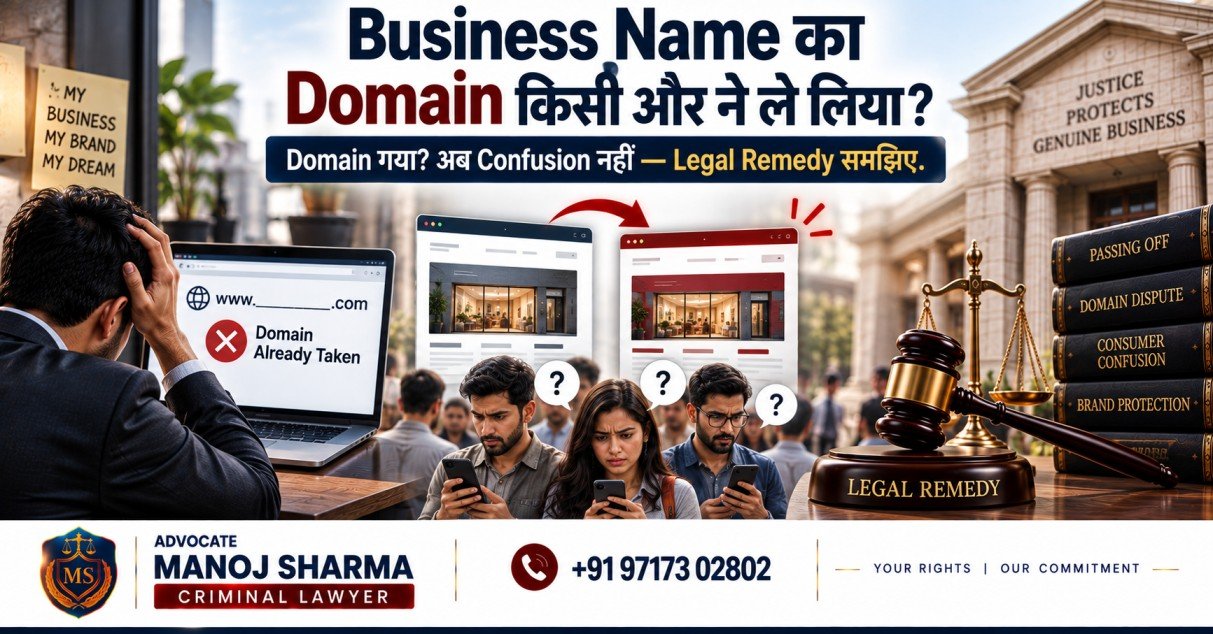
भारत में बहुत से कारोबार वर्षों से offline अपने नाम से चल रहे हैं, लेकिन उन्होंने अपनी website या online identity नहीं बनाई। इसी बीच कोई दूसरा व्यक्ति उसी या मिलते-जुलते business name का domain register कर लेता है और बाद में उस domain पर website, contact details या business information डालकर Google पर दिखाई देने लगता है।
समस्या उस समय ज्यादा गंभीर हो जाती है जब कोई customer अपने इलाके के पुराने और वास्तविक business को Google पर खोजता है, लेकिन search result में किसी दूसरे व्यक्ति का domain सामने आता है और customer उसे उसी business की official website समझ लेता है।
लेकिन कानून का सवाल सिर्फ इतना नहीं है कि domain पहले किसने खरीदा। यह भी अपने-आप नहीं कहा जा सकता कि पुराना GST certificate होने से हर domain extension पर business owner का अधिकार बन गया।
असली कानूनी जांच वहां शुरू होती है जहां पुराना business name, उसकी goodwill, domain की similarity, website का actual use और customer confusion एक-दूसरे से जुड़ते हैं।
Supreme Court ने Satyam Infoway Ltd. v. Siffynet Solutions Pvt. Ltd. में माना कि domain name केवल internet address भर नहीं है; परिस्थितियों में वह business की पहचान का काम कर सकता है और उसके confusing use से passing off का मामला बन सकता है। Court ने prior user की goodwill और internet users के गलत website पर चले जाने से होने वाले diversion को भी महत्वपूर्ण माना था।
यहीं से असली सवाल निकलता है—अगर आपका business पहले से offline चल रहा था, लेकिन उसकी online पहचान किसी दूसरे ने domain लेकर अपने नाम से बना ली, तो कानून किसकी पहचान और goodwill को protection देगा?
Table of Contents
Toggleक्या Business Name पहले से होने पर भी कोई दूसरा उसका Domain खरीद सकता है?
Domain Registration और Business Name पर Legal Right एक ही चीज क्यों नहीं हैं?
यहां सबसे पहले एक भ्रम दूर करना जरूरी है।
किसी domain का available होना और उसका किसी व्यक्ति द्वारा register हो जाना domain-registration level की घटना है। इससे यह निष्कर्ष अपने-आप नहीं निकलता कि registrant को उस नाम से जुड़ी हर commercial identity पर भी अधिकार मिल गया।
दूसरी तरफ, केवल यह कहना कि “मैं इस नाम से दस साल से दुकान चला रहा हूं” भी अपने-आप हर domain extension पर ownership साबित नहीं करता।
कानूनी विवाद में अलग-अलग rights को अलग करके देखना पड़ता है—business name में goodwill किसकी है, trademark rights हैं या नहीं, domain का use किस तरह हो रहा है और public उस नाम को किस business से जोड़ती है।
यही distinction Supreme Court के Satyam Infoway में भी दिखाई देती है। Court ने domain name को commercial identity के संदर्भ में देखा, लेकिन passing off के लिए goodwill establish करने की आवश्यकता पर भी जोर दिया।
GST, Firm Registration, Trade Licence और पुराने Business Records क्या साबित करते हैं?
मान लीजिए “Sharma Electricals” नाम से किसी शहर में दस साल से दुकान चल रही है।
Business owner के पास:
- GST registration,
- पुराने invoices,
- दुकान का licence,
- पुराने advertisements,
- visiting cards,
- packaging,
- customer records
सब मौजूद हैं।
ये documents महत्वपूर्ण हो सकते हैं क्योंकि ये यह दिखाने में मदद कर सकते हैं कि उस नाम का वास्तविक commercial use और market presence कब से है।
लेकिन इनमें से किसी एक document को यह मान लेना कि वही document domain ownership certificate है, सही कानूनी निष्कर्ष नहीं होगा।
विशेषकर GST registration का उद्देश्य taxation/business registration से जुड़ा है; domain dispute का legal test अलग हो सकता है।
और यहां एक महत्वपूर्ण बात है—पुराने documents की संख्या से ज्यादा उनका connection उस नाम की market identity से मायने रख सकता है।
यानी दस कागज होना अपने-आप पर्याप्त नहीं; यह दिखना चाहिए कि उस नाम को देखकर customers वास्तव में उसी business को पहचानते थे।
सिर्फ पहले से Business चलाने से हर Domain Extension पर Automatic Ownership क्यों नहीं मिलती?
मान लीजिए एक ही नाम के दो अलग-अलग genuine businesses अलग-अलग शहरों में वर्षों से चल रहे हैं।
एक व्यक्ति के पास:
abc.in
दूसरे के पास:
abc.com
या किसी तीसरे व्यक्ति ने कोई अन्य extension register कर लिया।
सिर्फ domain extension बदल जाने से यह तय नहीं होता कि पहला business हर स्थिति में बाकी domains का मालिक है।
यही कारण है कि “मैं पहले से business चला रहा हूं” और “दूसरे व्यक्ति का domain legally abusive है”—इन दोनों propositions के बीच अदालत को कुछ और factual questions पूछने पड़ते हैं।
नाम कितना distinctive है?
Public उसे किससे associate करती है?
दूसरे व्यक्ति का business क्या है?
Domain का use कैसे हो रहा है?
क्या customers वास्तव में confuse हो रहे हैं?
क्या दूसरे व्यक्ति का अपना legitimate interest है?
और क्या उसके conduct से prior business की goodwill को चोट या diversion का वास्तविक खतरा पैदा हो रहा है?
इसीलिए domain dispute की शुरुआत registration date से हो सकती है, लेकिन उसका फैसला केवल registration date से नहीं होता।
Same Business Name वाला Domain Google पर Customer को भ्रमित करे तो मामला कब गंभीर होता है?
Customer ने आपका Business Search किया लेकिन दूसरी Website पर पहुंच गया तो Legal Problem क्या है?
यहां मामला केवल “किसने कौन-सा domain खरीदा” से आगे निकल जाता है।
मान लीजिए Lucknow में “ABC Dental Clinic” नाम से एक वास्तविक clinic कई वर्षों से चल रहा है।
उस clinic की कोई official website नहीं है।
किसी दूसरे व्यक्ति ने:
abcdentalclinic.in
register किया और website पर उसी नाम से dental services दिखानी शुरू कर दीं।
अब कोई व्यक्ति Google पर लिखता है:
“ABC Dental Clinic Lucknow”
और उसे दूसरा domain मिलता है।
यदि वह व्यक्ति यह समझकर उस website पर जाता है कि यह उसी पुराने clinic की official website है, तो यहां online identity और customer confusion का प्रश्न पैदा होता है।
Supreme Court ने Satyam Infoway में इसी प्रकार के user diversion को passing-off analysis में महत्व दिया था—similar domain के कारण user दूसरे website पर पहुंच सकता है और legitimate business का customer प्रभावित हो सकता है।
यहां एक subtle point है:
Customer का actual confused होना ही एकमात्र प्रश्न नहीं; likelihood of confusion भी legal analysis का हिस्सा हो सकता है।
Same Name के साथ Same City, Same Service और Similar Business Identity का असर क्या होगा?
सिर्फ नाम की similarity और पूरी business identity की similarity में बड़ा अंतर है।
उदाहरण:
एक व्यक्ति ने “Shree Balaji Motors” domain लिया, लेकिन वह किसी दूसरे शहर में बिल्कुल अलग business चला रहा है।
दूसरी स्थिति में वही domain:
- उसी शहर का नाम दिखाता है,
- वही service देता है,
- वही business category लिखता है,
- similar logo/branding लगाता है,
- वही phone-style contact देता है,
- और website को इस तरह प्रस्तुत करता है कि customer उसे original business समझे।
इन दोनों situations को एक जैसा नहीं देखा जा सकता।
क्योंकि दूसरे scenario में domain सिर्फ नाम नहीं दोहरा रहा—वह business identity की नकल करके source या affiliation का impression पैदा कर सकता है।
और यहीं passing off का वास्तविक factual question पैदा होता है: क्या public को यह समझने का कारण मिल रहा है कि दोनों businesses एक ही हैं या किसी commercial connection में हैं?
Google Search Ranking से Customer Diversion होने पर Passing Off का सवाल कैसे उठता है?
यहां article को SEO tutorial नहीं बनाना है।
कानूनी प्रश्न इतना है:
यदि disputed domain को इस तरह इस्तेमाल किया गया कि वह उसी business-name search के सामने दिखाई देने लगा जिसे customer original business खोजने के लिए कर रहा था, और उस कारण customer दूसरी website तक पहुंचने लगा, तो क्या यह confusion और diversion के evidence का हिस्सा बन सकता है?
भारतीय न्यायालयों में search-engine related disputes में trademark/domain terms के माध्यम से business diversion के प्रश्न पहले भी सामने आए हैं। Consim Info v. Google India में Madras High Court के सामने trademarks और domain names के variants को internet search/keywords के माध्यम से competitors की ओर business divert करने का आरोप specifically litigation का हिस्सा था।
लेकिन यहां भी सावधानी जरूरी है:
Google पर ऊपर आ जाना अपने-आप passing off साबित नहीं करता।
Legal issue तब बनेगा जब ranking/search presentation को disputed identity, similarity, misleading use और customer confusion के पूरे factual picture के साथ देखा जाए।
Domain पर Website, Phone Number, WhatsApp और Business Details बदल देने से मामला कैसे मजबूत या कमजोर हो सकता है?
यह वह जगह है जहां एक lawyer को केवल domain name देखकर रुकना नहीं चाहिए।
मान लीजिए domain वही है, लेकिन website पर साफ लिखा है:
“यह XYZ business से संबंधित नहीं है।”
और business भी अलग है।
स्थिति अलग हो सकती है।
लेकिन यदि website पर:
- original business जैसा नाम,
- उसी शहर का address,
- similar services,
- misleading phone number,
- WhatsApp enquiry,
- original business जैसी branding
दिखाई जा रही है, तो domain के actual use का महत्व बहुत बढ़ जाता है।
क्योंकि अब विवाद केवल यह नहीं रह जाता कि “उसने मेरा नाम domain में क्यों रखा?”
सवाल यह बन सकता है:
“उस domain को public के सामने किस business identity के रूप में इस्तेमाल किया जा रहा है?”
यही वह बिंदु है जहां आगे article में Passing Off, Prior Goodwill, Legitimate Interest और Bad Faith को अलग-अलग legal tests के रूप में खोलना होगा—और वहीं से यह तय होगा कि domain registration केवल एक commercial registration था या किसी existing business identity पर कानूनी रूप से आपत्तिजनक तरीके से कब्जा जमाने की कोशिश।
क्या यह Domain Dispute, Passing Off या Cybersquatting का मामला बनता है?
Trademark Registered नहीं है तो क्या Offline Business Owner के पास भी Passing Off का अधिकार हो सकता है?
किसी business owner के पास trademark registration न होना अपने-आप यह नहीं बताता कि उसका business name कानून की नजर में पूरी तरह असुरक्षित है।
Passing off का मूल प्रश्न registration certificate से आगे जाता है। यहां यह देखना पड़ सकता है कि उस नाम से वास्तविक goodwill और commercial reputation किसने बनाई, public उस नाम को किस business से जोड़ती है और दूसरे व्यक्ति के use से deception या damage की संभावना पैदा हो रही है या नहीं।
Trade Marks Act, 1999 की Section 27(2) unregistered trade mark के संबंध में passing-off action को expressly preserve करती है। इसलिए “मेरे पास registered trademark नहीं है, इसलिए मैं कुछ नहीं कर सकता”—यह धारणा सही नहीं है।
लेकिन इसका दूसरा पहलू भी उतना ही महत्वपूर्ण है:
Unregistered business name होना = हर समान domain पर automatic monopoly नहीं।
Prior goodwill को evidence से establish करना होगा और दूसरे पक्ष के use को भी facts के आधार पर देखना होगा।
Prior Use और Goodwill को Court किस तरह देख सकती है?
यहीं offline business owner के पुराने documents वास्तव में काम आते हैं।
Court के सामने केवल यह कहना कि:
“मैं यह नाम पहले से इस्तेमाल कर रहा हूं।”
काफी नहीं हो सकता।
किस समय से इस्तेमाल हो रहा है, किस क्षेत्र में पहचान बनी, किस तरह customers उस नाम को पहचानते हैं, advertising कितनी हुई, invoices और commercial transactions कितने पुराने हैं और disputed domain के use से actual confusion या damage किस तरह पैदा हो रहा है—ये सब evidence की chain का हिस्सा बन सकते हैं।
और यहां एक rare practical point है:
Local business की goodwill केवल internet पर मौजूद होने से पैदा नहीं होती।
किसी दुकान, clinic, coaching centre, hotel या service provider की वर्षों की offline reputation भी relevant commercial goodwill हो सकती है। बाद में उसका online नाम किसी दूसरे व्यक्ति द्वारा इस्तेमाल किया जाए तो dispute केवल “website पहले किसने बनाई” के आधार पर तय नहीं होना चाहिए।
हर Same-Name Domain को Cybersquatting क्यों नहीं कहा जा सकता?
यही वह जगह है जहां article को एकतरफा नहीं होना चाहिए।
मान लीजिए दो अलग शहरों में दो genuinely independent businesses एक common descriptive या commonly used नाम से काम कर रहे हैं। उनमें से किसी एक ने domain register किया।
सिर्फ similarity देखकर दूसरे व्यक्ति को cybersquatter कहना सुरक्षित legal conclusion नहीं होगा।
क्योंकि domain dispute में यह भी पूछा जा सकता है:
- क्या registrant स्वयं उस नाम से business करता है?
- क्या वह उस नाम से पहले से commonly known है?
- क्या उसने domain को bona fide business के लिए लिया?
- क्या उसका use genuine है?
- क्या उसका उद्देश्य consumers को mislead करना है?
- क्या उसने domain किसी competitor को रोकने के लिए लिया?
- क्या उसे पहले से दूसरे business की reputation की जानकारी थी?
.IN Domain Name Dispute Resolution Policy में registrant के rights or legitimate interests को अलग requirement बनाया गया है और bona fide offering, commonly-known status तथा legitimate non-commercial/fair use जैसे circumstances expressly दिए गए हैं।
इसलिए “domain पहले मैंने नहीं लिया था” और “domain लेने वाले ने bad faith में लिया था”—ये दो अलग propositions हैं।
.IN Domain में Confusing Similarity, Legitimate Interest और Bad Faith के तीन सवाल क्या हैं?
.IN domain dispute में यह सबसे महत्वपूर्ण legal test है।
INDRP Clause 4 के अनुसार complainant को broadly तीन बातें establish करनी होती हैं:
- domain name उसके rights वाले name/trademark/service mark से identical या confusingly similar है;
- registrant के पास उस domain में rights या legitimate interest नहीं है;
- domain registered या used bad faith में है।
यानी केवल पहला सवाल जीत लेना पर्याप्त नहीं है।
नाम मिलता है → इसलिए domain वापस मिल जाएगा, ऐसा automatic rule नहीं है।
और यही बात domain disputes को सामान्य “पहले किसने नाम इस्तेमाल किया” वाले विवाद से अलग करती है।
Domain पहले खरीदना और किसी दूसरे Business की Online Identity इस्तेमाल करना क्या एक ही बात है?
सिर्फ Domain Register करके रखना और उसे Business Website बनाकर चलाना
दो situations को अलग रखना जरूरी है।
पहली स्थिति:
किसी ने domain register किया, लेकिन अभी कोई misleading business identity नहीं बनाई।
दूसरी स्थिति:
उसी domain पर website बनाकर वही business name, वही service, वही location और misleading contact details के साथ customers को attract किया जा रहा है।
दूसरी स्थिति में actual use का evidentiary महत्व बहुत बढ़ सकता है।
लेकिन passive registration को भी हर परिस्थिति में automatically lawful या unlawful नहीं कहा जा सकता। Facts, purpose, knowledge, legitimate interest और surrounding conduct देखना होगा।
.IN Policy भी bad faith को केवल एक single form में नहीं देखती; उसमें sale/transfer के उद्देश्य से acquisition, दूसरों को corresponding domain लेने से रोकने का pattern, confusing attraction of internet users और competitor के business को disrupt करने जैसे circumstances शामिल हैं।
Domain Flipping, Genuine Business Use और Targeted Cybersquatting में फर्क
यह distinction बहुत जरूरी है।
हर domain खरीदार cybersquatter नहीं है।
यदि कोई व्यक्ति genuinely किसी नाम से business चलाता है और उसी से corresponding domain use करता है, तो उसके legitimate interest का सवाल उठ सकता है।
इसके विपरीत यदि domain किसी existing business की पहचान देखकर लिया गया और उसका उद्देश्य:
- उसी business को domain से बाहर रखना,
- बाद में उसी business को महंगे दाम पर बेचने का दबाव बनाना,
- competitor को देना,
- या उस business की goodwill पर traffic खींचना
हो, तो bad faith का factual question मजबूत हो सकता है।
INDRP में domain को rights-holder या उसके competitor को documented out-of-pocket cost से अधिक मूल्य पर बेचने के उद्देश्य से acquire करने को bad-faith circumstance के रूप में specifically रखा गया है।
इसलिए domain flipping और cybersquatting को एक शब्द मानना गलत होगा।
Similar Logo, Address, Phone Number या Business Description इस्तेमाल करने पर क्या बदलता है?
यहां domain name अकेला evidence नहीं रह जाता।
यदि disputed website पर original offline business का:
- logo,
- address,
- phone number,
- WhatsApp,
- photographs,
- service description,
- testimonials,
- या कोई दूसरी पहचान
इस तरह इस्तेमाल हो कि public उसे original business समझ सके, तो misrepresentation और likelihood of confusion का factual case अलग स्तर पर पहुंच सकता है।
2026 में Delhi High Court के एक domain dispute में भी Court ने confusing domain और similar commercial identity के कारण likelihood of consumer confusion को महत्व दिया और Satyam Infoway के principle को apply किया।
यहां lawyer की नजर से एक महत्वपूर्ण फर्क है:
नाम की चोरी साबित करना जरूरी नहीं; public को source, affiliation या business connection के बारे में गलत impression पैदा हुआ या होने की संभावना है—यह भी महत्वपूर्ण हो सकता है।
“मैंने Domain पहले खरीदा था” Defence कब कमजोर पड़ सकता है?
यह defence सुनने में बहुत मजबूत लगता है:
“Domain available था, मैंने पहले register कर लिया।”
लेकिन legal dispute में registration date अकेली निर्णायक नहीं होती।
यदि evidence से यह दिखे कि registrant को existing business की reputation की जानकारी थी और उसी identity का फायदा उठाने के लिए domain लिया गया, फिर website बनाकर उसी customer base को attract किया गया, तो “मैंने पहले register किया” वाला जवाब पूरे dispute का अंत नहीं करता।
इसके विपरीत यदि registrant दिखा सके कि:
- उसका अपना independent business है,
- वह उसी नाम से genuinely known है,
- domain का bona fide use करता है,
- दूसरे business की goodwill target नहीं की,
- और public को misleading तरीके से divert नहीं किया,
तो उसकी legitimate-interest defence relevant हो सकती है।
यही कारण है कि INDRP में bad faith और legitimate interest को अलग questions बनाया गया है।
अगर Domain से Actual Business Confusion हो रहा है तो Owner के पास कौन-सा Legal Remedy है?
.IN या .BHARAT Domain में INDRP कब इस्तेमाल किया जा सकता है?
यदि विवाद .IN या .Bharat domain से संबंधित है, तो INDRP एक specific domain-dispute mechanism है।
Complaint में confusing similarity, lack of rights/legitimate interest और bad faith के grounds को address करना होता है। Registry की current policy इन्हीं requirements को expressly निर्धारित करती है।
यहां एक practical point भी महत्वपूर्ण है:
INDRP में केवल यह लिख देना कि “यह मेरा business name है” पर्याप्त नहीं।
Complaint को evidence के साथ यह establish करना होगा कि complainant के rights क्या हैं और disputed domain किस तरह उन rights से conflict करता है।
.COM और दूसरे gTLD में UDRP कब Relevant हो सकता है?
यदि domain .com या किसी दूसरे generic top-level domain में है, तो facts और applicable registrar/domain policy के अनुसार UDRP जैसे international domain-dispute mechanism relevant हो सकते हैं।
लेकिन इसे .IN के INDRP जैसा exact same procedure मानना ठीक नहीं होगा।
इसलिए article का practical rule यही रहेगा:
पहले domain extension identify करें, फिर applicable dispute mechanism देखें।
Trademark / Passing Off के आधार पर Indian Court में क्या Relief मांगी जा सकती है?
यदि facts trademark infringement या passing off के ingredients को support करते हैं, तो domain dispute केवल domain-policy proceeding तक सीमित नहीं रह सकता।
Indian court के सामने appropriate civil/commercial relief, including injunction, facts और cause of action के अनुसार मांगी जा सकती है।
और यहां domain dispute का एक महत्वपूर्ण legal principle फिर सामने आता है:
Court केवल domain string नहीं देखती; उसके commercial use और उससे पैदा होने वाले confusion को भी देख सकती है।
Supreme Court का Satyam Infoway इसी broader principle की foundational authority है।
Domain Transfer, Cancellation और Injunction में क्या फर्क है?
तीनों को एक ही remedy मानना गलती होगी।
Transfer का उद्देश्य domain को दूसरे rights-holder के control में लाना हो सकता है।
Cancellation में disputed registration समाप्त किया जा सकता है।
Injunction का उद्देश्य किसी party को particular infringing/misleading conduct करने से रोकना हो सकता है।
कौन-सी remedy उपलब्ध होगी, यह इस बात पर निर्भर करेगा कि मामला INDRP proceeding में है या Indian court के सामने और facts क्या हैं।
.IN Registry के current dispute framework में cancellation या transfer जैसे domain-specific remedies का mechanism है; Registry स्वयं dispute-resolution process और Delhi jurisdiction की जानकारी देती है।
Court जाने से पहले कौन-सा Digital Evidence सुरक्षित करना चाहिए?
यहीं अक्सर business owner गलती करता है।
Website देखकर तुरंत complaint करने के बजाय पहले evidence सुरक्षित करना ज्यादा उपयोगी हो सकता है:
- disputed domain का पूरा URL;
- registration/WHOIS information जहां legally available हो;
- Google search-result screenshots;
- search query और दिखाई देने वाला result;
- disputed website के relevant pages;
- logo, address और contact details;
- WhatsApp/phone interaction;
- customer के confusion की वास्तविक शिकायतें;
- पुराने business invoices और advertisements;
- GST और अन्य business records;
- social-media history;
- पुराने photographs;
- original business की online/offline presence का timeline;
- domain/website में बाद में हुए changes का record।
और एक बहुत महत्वपूर्ण practical point:
Screenshot अकेला पूरा case नहीं बनाता।
उस screenshot का date, URL, search query और context भी preserve करना चाहिए। क्योंकि domain dispute में यह भी पूछा जा सकता है कि disputed website किस तारीख को किस form में live थी और alleged misleading use कब शुरू हुआ।
इस पूरे विवाद में अंतिम कानूनी प्रश्न इसलिए केवल “Domain किसने पहले खरीदा?” नहीं है।
असल प्रश्न यह है कि किसके पास उस business identity की prior goodwill या enforceable rights हैं, disputed domain कितना confusingly similar है, registrant का genuine legitimate interest क्या है, domain का actual use किस तरह हुआ और क्या उस use से public को source, affiliation या business connection के बारे में भ्रमित करके existing business की goodwill को divert करने की कोशिश हुई। यही वे अलग-अलग कड़ियां हैं जिन्हें evidence के साथ जोड़कर domain dispute को देखा जाना चाहिए।
Frequently Asked Questions
1. अगर मेरा Business Name GST में registered है लेकिन Trademark registered नहीं है, तो क्या मैं किसी दूसरे के Domain के खिलाफ कार्रवाई कर सकता हूं?
हाँ, परिस्थितियों के अनुसार remedy संभव हो सकती है। Unregistered mark के लिए भी Trade Marks Act की Section 27(2) passing-off rights को preserve करती है। लेकिन केवल GST registration से domain पर automatic ownership साबित नहीं होती; prior goodwill, use, confusion और दूसरे पक्ष के conduct को अलग से establish करना होगा।
2. किसी ने मेरे Business Name का Domain पहले ही खरीद लिया है, लेकिन अभी Website नहीं बनाई है—क्या मैं तुरंत उसे वापस ले सकता हूं?
सिर्फ website खाली होने या domain register होने से outcome तय नहीं होता। Domain की similarity, registrant का legitimate interest, registration का उद्देश्य और bad faith जैसे facts देखे जाएंगे। .IN disputes में ये तीनों requirements INDRP framework का हिस्सा हैं।
3. अगर दूसरा व्यक्ति मेरे Business Name का Domain लेकर Google पर मुझसे ऊपर Rank कर रहा है, तो क्या यह अपने-आप Illegal है?
नहीं। Google ranking अपने-आप legal violation साबित नहीं करती। लेकिन यदि domain और website का use ऐसा है जिससे users को source, affiliation या business identity के बारे में confusion होता है और existing business की goodwill divert होती है, तो यह passing-off/domain dispute में relevant evidence हो सकता है। Supreme Court ने domain-name similarity से user diversion और confusion को passing-off analysis में recognized किया है।
4. अगर दूसरा व्यक्ति कहे कि “Domain available था, इसलिए मैंने खरीद लिया”, तो क्या मामला वहीं खत्म हो जाता है?
नहीं। Domain availability registration का factual point है, लेकिन legal dispute में actual use, legitimate interest और bad faith भी देखे जा सकते हैं। दूसरी ओर, domain registrant को भी केवल इसलिए गलत नहीं माना जा सकता कि किसी दूसरे business का नाम पहले से मौजूद था। .IN policy दोनों पक्षों के rights और legitimate interests को अलग से देखती है।
5. क्या एक ही Business Name अलग-अलग शहरों में दो लोगों का हो सकता है?
संभव है। केवल समान नाम होना अपने-आप यह साबित नहीं करता कि एक व्यक्ति दूसरे का domain या business identity unlawfully इस्तेमाल कर रहा है। नाम की distinctiveness, geographical/business overlap, prior goodwill, actual use और consumer confusion जैसे facts महत्वपूर्ण हो सकते हैं।
6. अगर दूसरे व्यक्ति ने मेरे Business Name का Domain लिया और उसी पर मेरा Logo, Phone Number या Address डाल दिया तो क्या स्थिति ज्यादा गंभीर हो सकती है?
हाँ, ऐसे facts confusion या misrepresentation के प्रश्न को मजबूत कर सकते हैं, क्योंकि विवाद केवल domain name तक सीमित नहीं रहता बल्कि website पर प्रस्तुत commercial identity तक पहुंच जाता है। लेकिन अंतिम legal conclusion पूरे evidence और circumstances पर निर्भर करेगा।
7. .IN Domain के मामले में क्या Domain सीधे Court से ही वापस लेना पड़ेगा?
जरूरी नहीं। .IN और .Bharat domains के लिए INDRP एक specific dispute-resolution mechanism है। Policy के तहत appropriate case में domain cancellation या transfer मांगा जा सकता है। Indian courts का अलग jurisdiction भी मौजूद हो सकता है, इसलिए remedy facts और relief sought के अनुसार तय करनी होगी।
8. अगर मैंने कई साल तक Business Name इस्तेमाल किया लेकिन Internet पर मेरी कोई Website नहीं थी, तो क्या मेरी पुरानी Offline Goodwill बेकार हो जाएगी?
नहीं। Internet पर website न होना अपने-आप पुराने business की goodwill समाप्त नहीं करता। Passing-off analysis में वास्तविक commercial reputation और prior use relevant हो सकते हैं। लेकिन उस goodwill को evidence से establish करना होगा और यह भी दिखाना होगा कि disputed use से legal injury/confusion का आधार बनता है। Supreme Court की passing-off jurisprudence में goodwill, misrepresentation और damage को अलग-अलग factual elements के रूप में देखा गया है।
कानूनी Disclaimer
यह लेख सामान्य कानूनी जानकारी और जागरूकता के उद्देश्य से है। किसी Business Name, Domain Name, Trademark, Passing Off या Online Customer Confusion विवाद का वास्तविक परिणाम संबंधित facts, prior use, goodwill, domain registration, website content, evidence और लागू कानून/डोमेन dispute policy पर निर्भर करेगा।
GST registration, business registration या पुराने business records अपने-आप किसी domain पर automatic ownership सिद्ध नहीं करते। इसी तरह केवल domain पहले register कर लेने से registrant को हर परिस्थिति में दूसरे business की commercial identity इस्तेमाल करने का अधिकार नहीं मिल जाता।
किसी वास्तविक विवाद में FIR, legal notice, domain dispute complaint, civil/commercial proceedings या अन्य कानूनी कदम उठाने से पहले संबंधित documents और digital evidence की जांच किसी योग्य अधिवक्ता से कराना उचित है।
Advocate Manoj Sharma — Criminal & Civil Legal Assistance in Lucknow
यदि किसी पुराने offline business के नाम से मिलता-जुलता Domain किसी दूसरे व्यक्ति ने register कर लिया है और उससे customer confusion, misleading website, business identity misuse या online diversion की स्थिति पैदा हो रही है, तो केवल domain availability देखकर निर्णय लेना उचित नहीं है।
ऐसे विवाद में पहले यह देखा जाना चाहिए कि business की prior goodwill क्या है, disputed domain कितना similar है, website पर किस identity का presentation किया जा रहा है, registrant का legitimate interest क्या है और available evidence किस legal remedy को support करता है।
Advocate Manoj Sharma
वास्तविक मामले में domain details, business records, screenshots, website content, customer-confusion evidence और अन्य relevant documents के आधार पर उचित legal strategy तय की जा सकती है।