भारत में भीड़ द्वारा किसी व्यक्ति की हत्या कोई नया अपराध नहीं है। आजादी के बाद भी ऐसी घटनाओं में हत्या, unlawful assembly, rioting, common object, common intention और conspiracy जैसी धाराओं के सहारे criminal prosecution चलती रही। लेकिन एक महत्वपूर्ण कमी यह थी कि “mob lynching” के लिए IPC में कोई अलग statutory offence नहीं था।
2015 के Dadri incident, 2017 के Junaid Khan और Pehlu Khan मामलों, 2018 के Hapur और Rakbar Khan मामलों तथा 2018 के Supreme Court के Tehseen S. Poonawalla judgment के बाद यह सवाल और गंभीर हुआ कि क्या existing criminal law ऐसी घटनाओं की collective nature को पर्याप्त रूप से address करता है। Parliament में भी 2017 के बाद mob violence और lynching पर अलग-अलग चर्चाएँ हुईं।
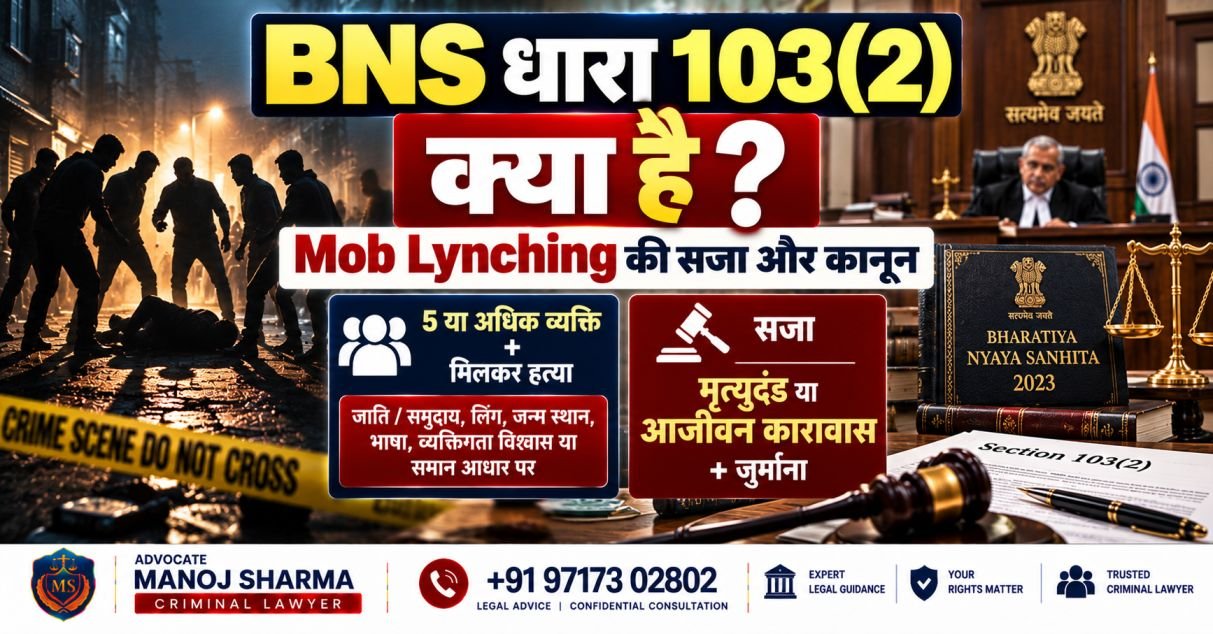
इसी background में Bharatiya Nyaya Sanhita, 2023 में Section 103(2) आया। BNS 1 July 2024 से लागू हुआ और अब पहली बार Central criminal statute में पांच या उससे अधिक लोगों द्वारा specified identity-based ground पर acting in concert करके murder करने की स्थिति के लिए अलग punishment provision मौजूद है।
लेकिन यहाँ सबसे पहली सावधानी जरूरी है:
हर mob murder Section 103(2) नहीं है।
और केवल किसी घटना को “mob lynching” कह देने से Section 103(2) सिद्ध नहीं हो जाता।
Court को statutory ingredients की पूरी chain देखनी होगी।
BNS Section 103(2) में Mob Lynching के लिए वास्तव में क्या साबित करना होगा?
Section 103(2) कहता है कि जब five or more persons acting in concert मिलकर किसी व्यक्ति की हत्या करते हैं और हत्या race, caste or community, sex, place of birth, language, personal belief या किसी अन्य similar ground पर की जाती है, तो उस group का प्रत्येक member death या imprisonment for life और fine से punishable होगा।
इस एक provision को खोलें तो prosecution को कई अलग-अलग facts establish करने पड़ेंगे:
पहला — group में कम-से-कम पाँच व्यक्ति थे।
दूसरा — वे केवल मौके पर मौजूद नहीं थे, बल्कि “acting in concert” थे।
तीसरा — उस collective action के परिणामस्वरूप murder हुआ।
चौथा — murder किसी statutory ground या उससे legally similar ground पर हुआ।
पाँचवाँ — जिस व्यक्ति को आरोपी बनाया गया है, उसका उस collective criminal act से legally sufficient connection है।
इसलिए Section 103(2) का असली courtroom question यह नहीं है कि:
“क्या भीड़ ने किसी को मार दिया?”
बल्कि यह है:
“क्या prosecution evidence से यह पूरी statutory chain beyond reasonable doubt साबित होती है कि पाँच या अधिक व्यक्ति concert में थे और उसी identity-based या similar ground पर murder हुआ?”
यही distinction इस पूरे कानून की सबसे महत्वपूर्ण बात है।
आजादी के बाद भारत में Mob Lynching के मामले किस कानून के तहत चलते थे?
BNS से पहले Indian Penal Code में “mob lynching” नाम का कोई स्वतंत्र offence नहीं था।
लेकिन इसका अर्थ यह नहीं था कि mob द्वारा हत्या punishable नहीं थी।
एक group killing में facts के अनुसार IPC की अलग-अलग provisions साथ लग सकती थीं—जैसे:
- Section 302 — murder;
- Section 307 — attempt to murder;
- Section 147/148 — rioting और armed rioting;
- Section 149 — unlawful assembly के common object के आधार पर liability;
- Section 34 — common intention;
- Section 120B — criminal conspiracy;
- और facts के अनुसार अन्य substantive offences।
यानी पुराने कानून में punishment का रास्ता मौजूद था, लेकिन “mob lynching” को एक अलग statutory offence के रूप में identify नहीं किया गया था।
BNS की legislative continuity भी इसी बात को confirm करती है। BNS Section 103 पुराने IPC Section 302 का corresponding murder provision है, लेकिन subsection (2) ने specified circumstances में group murder को अलग statutory form दिया।
1999 Graham Staines Case ने क्या दिखाया—Mob Violence और Murder Law पहले से कितना मजबूत था?
Mob violence की legal history समझने के लिए 1999 का Graham Staines case महत्वपूर्ण है।
Supreme Court के record में आया कि Graham Staines और उनके दो minor sons को Manoharpur में उनकी vehicle के भीतर जला दिया गया था। Trial Court ने Dara Singh को death sentence दी थी, Orissa High Court ने उसे life imprisonment में commute किया और Supreme Court ने उस approach को uphold किया।
इस judgment की दूसरी बड़ी importance sentencing में है।
Supreme Court ने स्पष्ट किया कि murder में life imprisonment सामान्य rule है और death penalty केवल rarest of rare category में दी जानी चाहिए। Court ने aggravating और mitigating circumstances दोनों को weigh करने की आवश्यकता दोहराई।
इसलिए आज Section 103(2) पढ़ते समय भी एक बात साफ है:
Mob lynching का statutory label अपने आप death sentence में convert नहीं होता।
Section 103(2) का punishment death या life imprisonment plus fine है; death sentence के लिए constitutional sentencing principles अलग से लागू होंगे।
2015 Dadri से 2017 Pehlu Khan और Junaid Khan तक—कानून की कमी कहाँ दिखाई दी?
2015 के Dadri incident और 2017 के Junaid Khan तथा Pehlu Khan मामलों ने mob violence को national legal debate के centre में ला दिया।
Parliamentary records में 2017 की discussion के दौरान Junaid Khan, Pehlu Khan और Mohammad Akhlaq जैसे incidents का उल्लेख हुआ था।
यहाँ legal history का महत्वपूर्ण point यह है कि इन incidents को आज के Section 103(2) से retrospectively नहीं पढ़ा जा सकता।
घटना जिस समय हुई, उस समय IPC लागू था।
इसलिए उस समय prosecution को existing provisions—murder, unlawful assembly, common object, rioting आदि—के माध्यम से case establish करना पड़ता था।
यही वजह है कि historical lynching cases में “किसे किस धारा में convict किया गया” और “घटना को public discourse में lynching कहा गया”—इन दोनों को अलग रखना जरूरी है।
Hapur और दूसरे मामलों में Life Imprisonment मिली तो फिर नया Section 103(2) क्यों चाहिए था?
यह बहुत महत्वपूर्ण misconception है।
यदि mob killing पहले भी Section 302 read with Section 149 IPC के तहत life imprisonment तक ले जा सकती थी, तो Parliament ने 103(2) क्यों बनाया?
क्योंकि नया provision केवल punishment बढ़ाने के लिए नहीं आया।
इसने legislature की ओर से एक specific criminal-law recognition दी:
पाँच या अधिक persons + concerted action + murder + specified identity/similar ground.
यानी Parliament ने उस pattern को statutory language में separately identify किया जिसे पहले सामान्य murder और unlawful-assembly provisions में fit करना पड़ता था।
इसलिए BNS 103(2) को यह कहना गलत होगा कि:
“पहले mob lynching punishable ही नहीं थी।”
सही बात है:
“पहले mob lynching के लिए अलग central statutory offence नहीं था; अब Section 103(2) ने specified group murder को अलग statutory form दिया है।”
Ministry of Home Affairs ने भी 2026 में Parliament के उत्तर में इसी distinction को expressly कहा कि BNS Section 103(2) में पहली बार mob lynching को punishable as a new offence बनाया गया है।
Tehseen Poonawalla Judgment ने Mob Lynching के कानून को कहाँ बदल दिया?
Mob lynching की modern constitutional jurisprudence में सबसे महत्वपूर्ण Supreme Court judgment है:
Tehseen S. Poonawalla v. Union of India, 2018 INSC 617.
Supreme Court ने lynching को केवल ordinary assault नहीं माना।
Court ने इसे rule of law और constitutional order के विरुद्ध गंभीर threat माना और State की responsibility को तीन stages में structure किया:
Preventive measures
Remedial measures
Punitive measures
Court ने यह भी कहा कि vigilantism को legal system का substitute नहीं बनने दिया जा सकता।
इस judgment की खास बात यह है कि Court ने Parliament से separate offence बनाने की आवश्यकता की ओर भी ध्यान दिलाया। यानी Supreme Court ने problem को पहचाना, State machinery के लिए framework दिया और legislative response की आवश्यकता भी सामने रखी।
यही background बाद में BNS Section 103(2) को समझने के लिए जरूरी है।
Tehseen Poonawalla में Supreme Court ने Police और State को केवल Conviction के बाद नहीं, घटना से पहले भी जिम्मेदार क्यों माना?
Mob lynching में criminal law की एक विशेष समस्या है।
अगर police घटना के बाद केवल murder investigation करती है, तो victim की death हो चुकी होती है।
Tehseen framework इसलिए preventive भी था।
Supreme Court ने preventive machinery, nodal officers, intelligence gathering, social-media monitoring, police accountability, victim compensation और trial-related measures पर directions दीं।
इसका मतलब यह है कि mob lynching law को केवल:
“किसे कितने साल की सजा मिलेगी?”
तक सीमित करना Supreme Court के framework को अधूरा पढ़ना होगा।
Lynching jurisprudence में State की failure to prevent, failure to investigate और failure to prosecute—तीनों अलग legal concerns हैं।
क्या भारत में Mob Lynching के लिए अलग-अलग State Laws भी बनाने की कोशिश हुई?
हाँ।
Tehseen judgment के बाद अलग-अलग States में legislation/bills/legislative proposals सामने आए।
लेकिन यहाँ एक बहुत जरूरी research discipline है:
Bill, Act, passed Bill और enforceable law को एक ही चीज नहीं माना जा सकता।
इसी period में Parliament में भी अलग Prevention of Mob-Lynching proposals आए। Parliament Digital Library में 2022 का Prevention of Mob-Lynching Bill भी recorded है।
इस legislative movement का महत्व यह है कि Parliament और States दोनों स्तर पर यह recognition बढ़ रही थी कि सामान्य murder law के साथ-साथ mob violence के collective character को भी address करने की आवश्यकता है।
लेकिन ultimately national criminal-law framework में concrete Central provision BNS के माध्यम से आया।
BNS Section 103(2) बनाते समय Parliament के सामने सबसे बड़ा सवाल क्या था?
Standing Committee records में original BNS Bill के उस provision पर discussion हुआ था जिसमें five or more persons द्वारा specified grounds पर murder को separately address किया गया था।
Committee discussion में यह भी सामने आया कि proposed provision में punishment structure को लेकर प्रश्न था और क्या seven-year alternative जैसी punishment पर्याप्त होगी, इस पर consideration हुआ।
Final enacted provision इससे अधिक कठोर है।
आज Section 103(2) में:
Death
या
Life imprisonment
और
Fine
है।
इस legislative history से एक बात स्पष्ट होती है:
103(2) को Parliament ने ordinary murder की duplicate wording के रूप में नहीं रखा; इसे group-based identity-grounded murder के लिए aggravated statutory treatment के रूप में बनाया।
Section 103(2) में Five or More Persons का अर्थ क्या है?
यह पहला objective statutory threshold है।
अगर prosecution की theory में केवल चार persons हैं, तो Section 103(2) का express numerical requirement पूरा नहीं होगा।
लेकिन पाँच नाम FIR में डाल देना भी पर्याप्त नहीं है।
यहीं “acting in concert” शब्द महत्व रखता है।
Court को केवल यह नहीं देखना है कि:
“मौके पर पाँच लोग थे।”
बल्कि:
“क्या पाँच या अधिक लोग उस murder में concerted manner में involved थे?”
यानी head-count और criminal participation दो अलग questions हैं।
“Acting in Concert” का मतलब क्या हर आरोपी को हत्या का वार करना जरूरी है?
नहीं।
लेकिन इसका उल्टा भी सही नहीं है कि:
“भीड़ में दिखाई देने वाला हर व्यक्ति 103(2) में automatically murderer है।”
यहीं पुराने Section 149 IPC की Supreme Court jurisprudence useful हो जाती है—लेकिन as direct 103(2) precedent नहीं।
2025 में Supreme Court ने फिर स्पष्ट किया कि unlawful assembly cases में केवल इस वजह से Section 149 liability खत्म नहीं होती कि हर व्यक्ति को अलग-अलग fatal injury नहीं दी गई। लेकिन Court ने यह भी माना कि facts से यह establish होना चाहिए कि accused किस common object के साथ assembly में थे और murder उस common object से connected था।
दूसरी तरफ 2025 के एक Supreme Court judgment में Court ने यह भी caution किया कि केवल large assembly का हिस्सा होना हर व्यक्ति को murder liability में डालने के लिए पर्याप्त नहीं माना जा सकता; common object और facts को carefully examine करना होगा।
यही balance Section 103(2) की future litigation में बहुत महत्वपूर्ण होगा।
BNS Section 190 और Section 103(2) में क्या संबंध है?
BNS Section 190 कहता है कि unlawful assembly का कोई member यदि assembly के common object की prosecution में offence commit करता है, या ऐसा offence करता है जिसे members उस common object में likely जानते थे, तो assembly के members पर liability आ सकती है।
इसलिए Section 103(2) को अकेले पढ़ना सही नहीं होगा।
Relevant facts में investigation/prosecution को Section 189–191 के unlawful-assembly framework, Section 190 common-object liability और Section 103(2) की specific statutory requirements के बीच distinction समझना होगा।
लेकिन दोनों provisions identical नहीं हैं।
Section 190 का common object framework और Section 103(2) का “five or more persons acting in concert + specified/similar ground” test अलग statutory questions हैं।
यह distinction Court में defence और prosecution दोनों के लिए महत्वपूर्ण होगा।
क्या Section 149 IPC की पुरानी Supreme Court Cases अब 103(2) में खत्म हो गईं?
नहीं।
लेकिन उन्हें सीधे यह कहकर cite करना गलत होगा कि:
“Supreme Court ने 103(2) interpret कर दिया।”
ऐसा अभी कहना premature होगा।
पुरानी Section 149 jurisprudence collective liability को समझने में persuasive/analogical value रखती है।
उदाहरण के लिए 2024 के Nitya Nand v. State of U.P. में Supreme Court ने Section 302/149 के context में common-object liability और overt act के प्रश्न पर विचार किया।
2025 में भी Supreme Court ने large assembly cases में एक ओर collective liability के principle को recognise किया, वहीं दूसरी ओर यह भी स्पष्ट किया कि conviction facts और common object के proof पर निर्भर करती है।
इसलिए future Section 103(2) litigation में likely judicial method यही होगा:
old collective-liability jurisprudence + new statutory ingredients.
पुरानी Section 149 को 103(2) का substitute नहीं बनाया जा सकता।
Section 103(2) में “Ground” इतना महत्वपूर्ण क्यों है?
यहीं इस provision का सबसे unusual हिस्सा है।
Statutory grounds हैं:
- race
- caste or community
- sex
- place of birth
- language
- personal belief
- any other similar ground.
ध्यान देने वाली बात है कि “religion” शब्द अलग से listed नहीं है।
इसका मतलब यह नहीं कि religion-based lynching automatically Section 103(2) से बाहर है।
लेकिन Court को statutory interpretation करनी होगी कि particular religious identity किस listed category—जैसे community—या “any other similar ground” के भीतर आती है या नहीं।
यह exact issue अभी ऐसा settled Supreme Court precedent नहीं है जिसे article में definitive answer के रूप में लिख दिया जाए।
इसलिए यहाँ “religion automatically covered है” या “religion covered नहीं है”—दोनों absolute statements से बचना चाहिए।
यही वह area है जहाँ आने वाले Section 103(2) judgments genuinely important होंगे।
“Any Other Similar Ground” का मतलब क्या हर Motive को Section 103(2) बना देगा?
नहीं।
“Any other similar ground” को unlimited phrase मान लेना statutory interpretation के basic discipline के खिलाफ होगा।
Listed grounds एक particular type की identity, status या belief-based distinction दिखाते हैं।
इसलिए prosecution को केवल यह नहीं कहना चाहिए:
“आरोपियों का motive बुरा था।”
उसे establish करना होगा कि murder वास्तव में उस प्रकार के ground से legally connected था जिसे Section 103(2) cover करता है।
यहाँ motive और statutory ground को एक ही चीज मानना गलत होगा।
Motive evidence का हिस्सा हो सकता है; लेकिन statutory ground अलग legal ingredient है।
क्या पहले Murder साबित होगा या पहले Mob-Lynching Ground?
Practically दोनों chains साथ चलेंगी, लेकिन legal structure में murder का foundation Section 101 BNS से आता है और punishment Section 103 से।
BNS में Section 101 murder की definition देता है और Section 103 उसका punishment provision है।
इसलिए prosecution को पहले यह establish करना होगा कि death legally murder है।
उसके बाद Section 103(2) की aggravated circumstances establish करनी होंगी।
इससे एक important defence point निकलता है:
यदि prosecution murder ही beyond reasonable doubt establish नहीं कर पाती, तो 103(2) का aggravated punishment provision भी टिक नहीं सकता।
अगर Mob ने किसी को बुरी तरह पीटा लेकिन वह बच गया तो क्या Section 103(2) लगेगा?
नहीं, क्योंकि Section 103(2) का trigger murder है।
लेकिन BNS ने group-based specified-ground grievous hurt के लिए अलग provision रखा है।
Section 117(4) में भी five or more persons acting in concert द्वारा specified grounds पर grievous hurt करने की अलग punishment है, जिसमें imprisonment up to seven years और fine है।
इससे BNS का architecture समझ आता है:
Death + murder + specified ground → Section 103(2)
लेकिन
Grievous hurt + five or more + acting in concert + specified ground → Section 117(4)
इसलिए हर mob assault को 103(2) कहना legally incorrect होगा।
Mob Lynching के साथ कौन-सी दूसरी BNS Sections लग सकती हैं?
Exact sections facts पर depend करेंगी।
लेकिन relevant statutory architecture में खास तौर पर:
Section 101 — Murder
Section 103(2) — specified group murder
Section 109 — Attempt to murder
Section 115/117 — Hurt / grievous hurt
Section 117(4) — five or more persons द्वारा specified-ground grievous hurt
Section 118 — dangerous weapons/means से hurt or grievous hurt
Section 189 — Unlawful assembly
Section 190 — common-object liability
Section 191 — Rioting
Section 192 — provocation for riot
Section 193 — liability of owner/occupier in specified riot circumstances
Section 196 — promoting enmity between groups
और facts के अनुसार abetment/conspiracy/common-intention provisions भी relevant हो सकती हैं।
इसलिए FIR में केवल “103(2)” देखकर पूरा legal picture समझना संभव नहीं है।
Mob Lynching में Mere Presence और Criminal Participation के बीच Court क्या देखेगी?
यह defence का सबसे important practical area है।
किसी घटना की video में 20 लोग दिखाई दे सकते हैं।
लेकिन prosecution को प्रत्येक accused की criminal liability establish करनी होगी।
Relevant questions होंगे:
- accused वास्तव में कौन था?
- क्या वह unlawful assembly का member था?
- क्या वह attack में participate कर रहा था?
- क्या उसके conduct से concert/common object का inference निकलता है?
- क्या उसने victim को रोकने, घेरने, पकड़ने या assault facilitate करने में भूमिका निभाई?
- क्या वह केवल spectator था?
- क्या identification reliable है?
- क्या CCTV/video authentic और complete है?
- क्या witness ने उसे पहले से identify किया था?
- क्या later implication हुआ?
- क्या prosecution witnesses के statements consistent हैं?
Supreme Court की collective-liability jurisprudence एक तरफ यह मानती है कि हर आरोपी के हाथ में अलग weapon होना आवश्यक नहीं; दूसरी तरफ large crowds में innocent bystanders को mechanically convict करने से भी Courts को बचना होता है।
यही distinction 103(2) litigation में बहुत महत्वपूर्ण होगी।
Historical Mob Lynching Cases में Conviction क्यों कभी हुई और कभी नहीं?
यहाँ internet पर सबसे बड़ी गलती होती है।
अक्सर article लिखता है:
“फलाँ mob lynching में accused acquitted।”
लेकिन यह नहीं बताता कि acquittal क्यों हुआ।
या:
“फलाँ case में life imprisonment।”
लेकिन यह नहीं बताता कि conviction किस IPC combination पर हुई।
Criminal trial में result अक्सर mob violence होने या न होने से नहीं, बल्कि evidence chain से तय होता है।
यही कारण है कि historical cases में अलग-अलग परिणाम मिले:
कुछ cases में murder और collective liability prove हुई।
कुछ में individual identification कमजोर रही।
कुछ में investigation पर सवाल उठे।
कुछ में prosecution witnesses की reliability issue बनी।
और कुछ cases में Court ने available evidence के आधार पर lesser offence या different liability framework अपनाया।
इस history का सबसे important lesson है:
“Mob lynching” एक factual description हो सकता है; conviction एक evidentiary/legal conclusion है।
2026 की Madhya Pradesh वाली Viral Female Judge Case से क्या सीख मिलती है?
Narmadapuram/Seoni Malwa में 2022 की cow-smuggling suspicion से जुड़ी mob killing case में Additional Sessions Judge Tabassum Khan के सामने trial हुआ। Official MP judiciary records Judge Tabassum Khan की Seoni Malwa posting confirm करते हैं।
इस मामले को BNS 103(2) का precedent कहना गलत होगा क्योंकि alleged incident 2022 का था, अर्थात BNS लागू होने से पहले का।
Reported judgment material के अनुसार conviction पुराने IPC framework—विशेषकर 302/149—के आधार पर हुई।
इसलिए इस case का सही legal lesson यह है:
BNS से पहले भी mob killing में collective criminal liability के आधार पर life imprisonment संभव थी।
BNS 103(2) ने अब उस तरह की specified identity-grounded group murder को एक अलग statutory provision दिया है।
यानी viral case को BNS 103(2) की “पहली सजा” कहना सही नहीं होगा।
क्या 103(2) के आने के बाद पुराने Mob Lynching Cases को इस Section में बदला जा सकता है?
नहीं।
BNS 1 July 2024 से लागू हुआ।
Criminal law में सामान्य principle है कि बाद में आई penal provision को पुराने conduct पर retrospectively लागू नहीं किया जा सकता यदि उससे criminal liability/punishment बढ़ती है।
इसलिए:
2022 घटना → IPC framework
2023 घटना → applicable law/date-specific framework
1 July 2024 के बाद घटना → BNS framework, subject to exact statutory applicability
इस date distinction को हर historical lynching case में maintain करना जरूरी है।
BNS 103(2) लागू होने के बाद क्या हर Mob Killing FIR में 103(2) लगाना जरूरी है?
नहीं।
Section 103(2) के ingredients पूरे होने चाहिए।
यदि पाँच से कम persons हैं, तो express numerical condition का सवाल उठेगा।
यदि five or more हैं लेकिन concert नहीं है, तो दूसरा ingredient विवादित होगा।
यदि murder का ground Section 103(2) के specified/similar grounds से connected नहीं है, तो third-stage statutory issue आएगा।
और यदि prosecution accused की participation establish नहीं कर पाती, तो केवल group की existence से individual conviction automatic नहीं होनी चाहिए।
इसलिए investigating officer को FIR classification से आगे जाकर evidence collect करना होगा।
Mob Lynching में Evidence की पूरी Chain कैसी होनी चाहिए?
एक senior criminal trial की नजर से prosecution की chain कुछ इस तरह होगी:
Incident → Group → Identity → Concert → Ground → Assault → Causation → Death → Murder → Accused’s Connection
इसके लिए evidence अलग-अलग layers में आ सकती है:
Eye-witness evidence
किसने देखा? कितनी दूरी से? कितनी देर? क्या पहले से accused को जानता था?
Video/CCTV
क्या complete footage है? Editing/cut possibility? Chain of custody? Source device? Identification reliable है?
Medical evidence
किस injury से death हुई? क्या prosecution version medical evidence से consistent है?
Electronic evidence
Mobile footage, location data, messages, calls या social-media material का evidentiary status BSA के applicable rules के अनुसार establish करना होगा।
Motive/ground evidence
क्या victim की identity/faith/caste/community/language/belief वास्तव में attack के कारण से connected थी?
Conduct before and after incident
क्या accused ने group organise किया? victim को locate किया? chase किया? attack में हिस्सा लिया? बाद में evidence destroy या conceal किया?
यही evidence chain 103(2) को केवल FIR allegation से actual conviction तक ले जाएगी।
Mob Lynching में “Ground” साबित करने के लिए Prosecution को क्या दिखाना पड़ेगा?
यह future litigation का शायद सबसे कठिन हिस्सा होगा।
मान लीजिए पाँच लोगों ने किसी व्यक्ति को पीटकर मार दिया।
यह अपने आप 103(2) नहीं है।
अब prosecution को यह establish करना होगा कि killing:
- caste,
- community,
- sex,
- race,
- place of birth,
- language,
- personal belief,
- या legally similar ground
पर हुई।
इसका मतलब यह नहीं कि हर case में accused को कोई written declaration देना पड़ेगा कि:
“मैंने इसे इसी identity के कारण मारा।”
Criminal courts circumstances से intention/motive/ground infer कर सकती हैं।
लेकिन inference भी evidence से बनना चाहिए।
इसलिए:
rumour + identity + slogans + targeted selection + prior conduct + group behaviour
जैसे circumstances relevant हो सकते हैं।
लेकिन कोई single circumstance अपने आप statutory ground साबित कर दे—ऐसा universal rule अभी Section 103(2) के लिए settled नहीं है।
Supreme Court के अनुसार Mob Lynching में State की Failure भी Legal Issue क्यों बनती है?
Tehseen Poonawalla का सबसे बड़ा contribution यही है।
Supreme Court ने State को केवल घटना के बाद accused arrest करने तक सीमित नहीं रखा।
Court ने preventive mechanism, remedial mechanism और punitive mechanism बनाया।
इसमें:
Prevention
भीड़ को law-and-order threat बनने से रोकना।
Immediate Response
घटना होने पर police machinery का prompt intervention।
Investigation
fair और effective investigation।
Victim Protection
victim/family/witnesses के लिए protection और compensation framework।
Punishment
culpable persons के खिलाफ effective prosecution।
यह framework आज BNS 103(2) आने के बाद भी समाप्त नहीं हुआ है।
BNS ने offence दिया है; Tehseen ने State responsibility का constitutional framework दिया है।
दोनों को साथ पढ़ना होगा।
क्या Mob Lynching के Cases में Government ने अलग Data System बनाया है?
यहाँ बहुत सावधानी जरूरी है।
2021 में Ministry of Home Affairs ने Parliament को स्पष्ट किया था कि Tehseen Poonawalla judgment ने NCRB को hate-crime data collect करने का कोई specific direction नहीं दिया था और Police/Public Order State subjects हैं।
इसलिए internet पर मिलने वाली “भारत में आजादी के बाद कुल इतने mob lynching हुए” जैसी absolute numbers को बिना methodology और official source के article में नहीं डालना चाहिए।
यही कारण है कि इस article में historical development को documented judicial/legislative milestones के आधार पर रखा जा रहा है, न कि किसी unverified “complete count” के आधार पर।
आज Section 103(2) के साथ Section 117(4) को समझना क्यों जरूरी है?
यह BNS drafting का एक बहुत interesting feature है।
Parliament ने केवल murder के लिए special group provision नहीं बनाया।
Section 117(4) में five or more persons acting in concert द्वारा specified ground पर grievous hurt की भी अलग provision रखी गई है।
इसका मतलब legislative structure यह distinguish करता है:
Mob violence without death
और
Mob violence resulting in murder.
इससे prosecution को incident की actual medical/legal consequence के अनुसार सही provision चुनना होगा।
यह distinction आगे charge-framing और trial दोनों में महत्वपूर्ण होगी।
क्या Section 196 BNS भी Mob Lynching Cases में Relevant हो सकती है?
कुछ facts में हाँ।
Section 196 different groups के बीच religion, race, place of birth, residence, language, caste, community आदि grounds पर enmity, hatred या ill-will promote करने वाले acts को separately punish करता है।
लेकिन इसे Section 103(2) का automatic companion नहीं मानना चाहिए।
103(2) = murder + group + specified/similar ground
196 = promoting enmity/harmony-disturbing conduct
Facts determine करेंगे कि दोनों provisions apply करते हैं या नहीं।
यह article में केवल इसलिए जोड़ना जरूरी है क्योंकि lynching कभी-कभी larger incitement or group-hostility context का हिस्सा हो सकती है।
अगर Mob Lynching के दौरान कई लोग हमला करते हैं लेकिन केवल एक व्यक्ति ने fatal blow दिया तो बाकी लोगों का क्या होगा?
यहाँ prosecution और defence दोनों को पुरानी collective-liability jurisprudence की सीमा समझनी होगी।
यदि evidence establish करता है कि बाकी accused भी उस unlawful collective action के हिस्से थे और murder उस collective object/concert से connected था, तो प्रत्येक accused के हाथ में fatal weapon होना जरूरी नहीं हो सकता।
लेकिन यदि किसी accused के बारे में evidence केवल इतना है कि:
“वह वहाँ खड़ा था।”
तो Court को उसके legal participation और statutory ingredients separately examine करने होंगे।
2025 Supreme Court jurisprudence में इसी तरह common-object liability के साथ-साथ facts-specific scrutiny पर जोर मिलता है।
यही कारण है कि “overt act नहीं है” और “accused की कोई participation नहीं है”—दोनों हमेशा समान propositions नहीं होते।
103(2) के मुकदमे में Defence Lawyer सबसे पहले क्या देखेगा?
एक senior criminal defence की नजर से सबसे पहले यह नहीं देखा जाएगा कि:
“कितने लोग गिरफ्तार हुए?”
बल्कि:
पहला सवाल — Five persons legally connected हैं?
क्या five persons केवल police list में हैं या evidence में collectively established हैं?
दूसरा — Acting in concert कहाँ है?
क्या कोई coordinated conduct है?
तीसरा — Ground कहाँ है?
क्या prosecution ने identity-based motive/ground को evidence से connect किया है?
चौथा — Murder कहाँ establish है?
Medical और ocular evidence consistent है?
पाँचवाँ — मेरे client की specific evidentiary connection क्या है?
क्या identification reliable है?
छठा — क्या वह actual participant था या mere presence/bystander?
सातवाँ — investigation impartial थी?
क्या FIR और later statements में material improvements हैं?
आठवाँ — digital evidence legally proved है?
Video होना और admissible/proved video होना एक ही चीज नहीं है।
यही defence architecture होना चाहिए।
Prosecution के पास 103(2) में सबसे मजबूत Counter क्या होगा?
State की तरफ से natural argument होगा:
“यह ordinary murder नहीं था; पाँच या अधिक लोग coordinated manner में आए, victim को उसकी identity/ground के कारण target किया और collective attack में उसकी death हुई।”
इसके बाद prosecution:
- group size,
- prior mobilisation,
- weapons,
- common conduct,
- victim selection,
- slogans/messages,
- eyewitnesses,
- video,
- medical evidence,
- post-occurrence conduct
को जोड़ सकती है।
और Section 190/common-object jurisprudence का सहारा लेकर individual overt act की defence को challenge कर सकती है।
लेकिन prosecution को फिर भी Section 103(2) के specific ground और acting in concert requirements satisfy करनी होंगी।
2026 में BNS 103(2) की सबसे बड़ी Unresolved Legal Questions कौन-सी हैं?
आज की date में Section 103(2) पर सबसे महत्वपूर्ण questions यही हैं:
क्या “community” में religious community automatically शामिल होगी?
“Any other similar ground” की exact सीमा क्या है?
“Acting in concert” और Section 190 common-object liability का precise relationship क्या होगा?
क्या mere presence plus common object sufficient होगी, या 103(2) में additional concert evidence चाहिए?
क्या प्रत्येक accused के खिलाफ ground-based motive का अलग proof चाहिए?
अगर पाँच से अधिक लोग थे लेकिन group में कुछ लोग केवल बाद में शामिल हुए तो liability कैसे divide होगी?
अगर murder हुआ लेकिन identity-based ground और ordinary personal enmity दोनों मौजूद हों तो Section 103(2) कैसे apply होगा?
क्या Section 103(2) और Section 196 साथ चलेंगे, और किस factual threshold पर?
इन questions पर Supreme Court की direct authoritative interpretation अभी developing stage में है।
इसलिए किसी website के “Section 103(2) पर Supreme Court ने साफ कहा है…” जैसे claims को बिना actual judgment देखे स्वीकार करना उचित नहीं होगा।
आज के कानून में Mob Lynching की Legal Position क्या है?
आज position को चार stages में समझना सबसे सही होगा।
पहले: IPC में अलग mob-lynching offence नहीं था, लेकिन murder और unlawful-assembly provisions के माध्यम से prosecution संभव था।
दूसरे: Tehseen Poonawalla ने Supreme Court level पर lynching को rule-of-law और constitutional-order problem माना तथा preventive, remedial और punitive framework दिया।
तीसरे: States और Parliament में separate anti-lynching legislation की मांग और legislative attempts सामने आए।
चौथे: 1 July 2024 से BNS लागू हुआ और Section 103(2) ने specified identity/similar-ground group murder को अलग statutory punishment provision दिया।
इसलिए आज पहली बार Central criminal law में यह statutory formula मौजूद है:
Five or more + acting in concert + murder + specified/similar ground = Section 103(2) का potential application.
लेकिन potential application और conviction अलग चीजें हैं।
Final Courtroom Test — किसी हत्या को BNS 103(2) का Mob Lynching Murder कब माना जाएगा?
अंत में पूरा Section एक courtroom test में बदल जाता है।
Court को क्रम से देखना होगा:
1. क्या death हुई?
2. क्या वह death legally murder है?
3. क्या five or more persons का group था?
4. क्या वे “acting in concert” थे?
5. क्या accused उस collective criminal conduct से legally connected था?
6. क्या murder race, caste/community, sex, place of birth, language, personal belief या legally similar ground पर हुआ?
7. क्या prosecution के पास इस ground और killing के बीच sufficient evidence है?
8. क्या evidence individual accused को group action से beyond reasonable doubt जोड़ता है?
यहीं prosecution की पूरी case theory टिकेगी।
और defence का सबसे महत्वपूर्ण सवाल होगा:
“आपके पास मेरे client के खिलाफ केवल भीड़ में मौजूद होने का evidence है, या Section 103(2) के प्रत्येक statutory ingredient को जोड़ने वाला legally admissible evidence भी है?”
यही सवाल इस provision की असली परीक्षा है।
निष्कर्ष: BNS की धारा 103(2) ने Mob Lynching के कानून में वास्तव में क्या बदला?
BNS Section 103(2) ने भारत में mob murder को पहली बार एक specific statutory aggravated form दिया है।
लेकिन यह कहना गलत होगा कि BNS से पहले mob killing punishable नहीं थी।
पहले भी murder, unlawful assembly, common object, common intention और conspiracy के जरिए गंभीर punishment संभव थी। Graham Staines से लेकर बाद के अनेक cases ने यह दिखाया कि existing criminal law के भीतर भी convictions हो सकती थीं।
असली बदलाव यह है कि अब Parliament ने एक अलग statutory combination बनाया है:
five or more persons
acting in concert
murder
specified identity/similar ground
और उसके लिए:
death या life imprisonment + fine.
लेकिन Section 103(2) की असली judicial journey अभी पूरी नहीं हुई है।
आने वाले Supreme Court और High Court judgments यह तय करेंगे कि:
“community” कितना broad है,
“similar ground” कहाँ तक जाता है,
“acting in concert” का exact evidentiary threshold क्या है,
और
individual accused को collective murder से किस स्तर के evidence पर legally जोड़ना पर्याप्त होगा।
इसलिए आज Section 103(2) को समझने का सबसे सुरक्षित और legally accurate तरीका यही है:
Mob Lynching का नाम भर पर्याप्त नहीं है। Prosecution को murder के साथ group, concert और statutory ground की पूरी evidentiary chain establish करनी होगी।
और यही वह बिंदु है जहाँ BNS 103(2) का future law बनेगा—FIR के शब्दों से नहीं, बल्कि Courts द्वारा इन statutory ingredients की वास्तविक judicial interpretation से।
कानूनी Disclaimer
यह लेख Bharatiya Nyaya Sanhita, 2023 की धारा 103(2), Mob Lynching से संबंधित कानूनी प्रावधानों, न्यायिक विकास और उपलब्ध सरकारी एवं न्यायिक स्रोतों के आधार पर सामान्य कानूनी जानकारी देने के उद्देश्य से तैयार किया गया है। यह किसी व्यक्ति के मामले में व्यक्तिगत legal opinion, defence strategy, conviction की संभावना या सजा के outcome की guarantee नहीं है।
किसी Mob Lynching या group-murder case में FIR की exact sections, घटना की तारीख, आरोपियों की संख्या, उनकी individual role, alleged ground, medical evidence, eyewitness testimony, electronic evidence और investigation की स्थिति के आधार पर कानूनी स्थिति अलग हो सकती है। विशेष रूप से 1 July 2024 से पहले की घटनाओं को BNS Section 103(2) के तहत retrospectively नहीं देखा जा सकता।
पुराने IPC मामलों में Section 302, 149, 34, 147, 148 आदि के आधार पर liability तय हुई हो सकती है। इसलिए किसी पुराने judgment को सीधे BNS 103(2) का precedent मानना कानूनी रूप से सही नहीं होगा।
Practical Legal Disclaimer
यदि किसी व्यक्ति पर BNS Section 103(2) या उससे संबंधित provisions के तहत आरोप लगा है, तो केवल FIR में “Mob Lynching” या Section 103(2) लिखे होने से पूरा criminal liability तय नहीं हो जाता। Court के सामने prosecution को statutory ingredients और accused की individual connection को evidence के माध्यम से establish करना होता है।
इसी तरह defence के लिए केवल यह कहना भी पर्याप्त नहीं है कि आरोपी ने fatal blow नहीं दिया। Case में Section 190 BNS, unlawful assembly, common object, acting in concert और उपलब्ध evidence की पूरी स्थिति को साथ पढ़ना पड़ सकता है।
ऐसे मामलों में FIR, charge-sheet, statements, medical evidence, CCTV/video, electronic evidence और applicable statutory provisions की case-specific legal examination आवश्यक होती है।
यदि मामला Lucknow में criminal proceedings से जुड़ा है, तो किसी Criminal Lawyer in Lucknow से FIR और investigation record की specific legal assessment कराना सामान्य जानकारी पर निर्भर रहने से अधिक उचित होता है।
Frequently Asked Questions
1. BNS Section 103(2) में Mob Lynching के लिए कितने लोग होने चाहिए?
Section 103(2) में five or more persons का statutory requirement है। लेकिन केवल पाँच या उससे अधिक लोगों की मौजूदगी पर्याप्त नहीं है। Provision में “acting in concert” की additional requirement भी है।
2. क्या पाँच लोगों द्वारा की गई हर हत्या Section 103(2) के तहत आएगी?
नहीं। Prosecution को murder के साथ यह भी establish करना होगा कि पाँच या अधिक persons acting in concert थे और हत्या Section 103(2) में बताए गए ground या legally similar ground पर की गई थी।
3. क्या BNS में Mob Lynching की अलग definition दी गई है?
BNS Section 103(2) “mob lynching” की अलग dictionary-style definition नहीं देता। इसके बजाय provision five or more persons acting in concert, murder और specified/similar grounds को statutory ingredients के रूप में रखता है। इसलिए legal determination इन्हीं ingredients के आधार पर होगी।
4. क्या Mob Lynching के मामले में हर आरोपी को fatal blow देना जरूरी है?
जरूरी नहीं। Collective criminal liability के principles में किसी आरोपी की liability केवल इस आधार पर समाप्त नहीं होती कि उसने personally fatal injury नहीं दी। लेकिन prosecution को उस आरोपी का collective criminal act से legally sufficient connection establish करना होगा।
5. क्या केवल भीड़ में खड़े होने से Section 103(2) लग सकती है?
केवल mere presence को automatic conviction का आधार नहीं माना जा सकता। Court को आरोपी की participation, acting in concert, group conduct और available evidence को देखना होगा।
6. Section 103(2) में “acting in concert” का क्या महत्व है?
यह provision का महत्वपूर्ण statutory ingredient है। इसका अर्थ यह है कि prosecution को केवल पाँच व्यक्तियों की physical presence नहीं, बल्कि उनके coordinated participation या concerted conduct को evidence से establish करना होगा।
7. क्या Section 149 IPC के पुराने judgments BNS 103(2) में लागू होंगे?
पुराने Section 149 IPC judgments collective liability और common-object principles को समझने में relevant हो सकते हैं, लेकिन उन्हें Section 103(2) की direct Supreme Court interpretation नहीं माना जा सकता। BNS 103(2) के अपने statutory ingredients अलग से examine होंगे।
8. क्या Religion Section 103(2) में expressly लिखा है?
नहीं। Section 103(2) में race, caste or community, sex, place of birth, language, personal belief और “any other similar ground” का उल्लेख है। “Religion” अलग शब्द के रूप में provision में नहीं लिखा गया है। किसी particular case में religious identity किस statutory category या similar ground के अंतर्गत आती है, यह statutory interpretation और facts पर निर्भर करेगा।
9. क्या “Any Other Similar Ground” का मतलब कोई भी motive Section 103(2) बना सकता है?
नहीं। केवल कोई भी motive होना पर्याप्त नहीं है। Prosecution को यह establish करना होगा कि murder उस प्रकार के ground से legally connected था जिसे Section 103(2) अपने listed या similar grounds के माध्यम से cover करता है।
10. क्या BNS Section 103(2) 1 July 2024 से पहले हुई Mob Lynching पर लागू होगी?
सामान्यतः नहीं। BNS 1 July 2024 से लागू हुआ। पहले की घटनाओं में उस समय लागू IPC और अन्य applicable criminal provisions के अनुसार liability निर्धारित होगी। किसी पुराने case को केवल बाद में Section 103(2) के आने के कारण उस provision के तहत नहीं बदला जा सकता।
11. क्या Mob Lynching में हर आरोपी को Death Penalty मिलेगी?
नहीं। Section 103(2) में death या imprisonment for life and fine का punishment है। Death penalty automatic नहीं है; Supreme Court के constitutional sentencing principles और rarest-of-rare doctrine अलग से लागू होते हैं।
12. अगर Mob Attack में व्यक्ति की मौत नहीं हुई तो क्या Section 103(2) लगेगी?
नहीं, क्योंकि Section 103(2) का आधार murder है। हालांकि BNS में five or more persons acting in concert द्वारा specified grounds पर grievous hurt के लिए Section 117(4) जैसी अलग provision मौजूद है।
13. क्या Mob Lynching के साथ BNS Section 190 भी लग सकती है?
Facts के अनुसार Section 190 relevant हो सकती है, क्योंकि यह unlawful assembly के common object से जुड़ी liability को address करती है। लेकिन Section 190 और Section 103(2) identical provisions नहीं हैं; दोनों के statutory requirements अलग-अलग examine करने होंगे।
14. क्या Mob Lynching के मामले में CCTV या Mobile Video अपने आप आरोपी को दोषी साबित कर देता है?
नहीं। Video evidence महत्वपूर्ण हो सकती है, लेकिन Court को उसकी authenticity, identification, completeness, source और applicable evidentiary requirements देखनी होंगी। केवल किसी video में व्यक्ति दिखाई देना और उसके खिलाफ criminal liability legally establish होना एक ही बात नहीं है।
15. BNS Section 103(2) में Prosecution को सबसे महत्वपूर्ण क्या साबित करना होगा?
एक practical courtroom perspective से prosecution को death/murder के साथ five or more persons, acting in concert, specified या legally similar ground और accused की collective criminal participation की evidentiary chain establish करनी होगी।