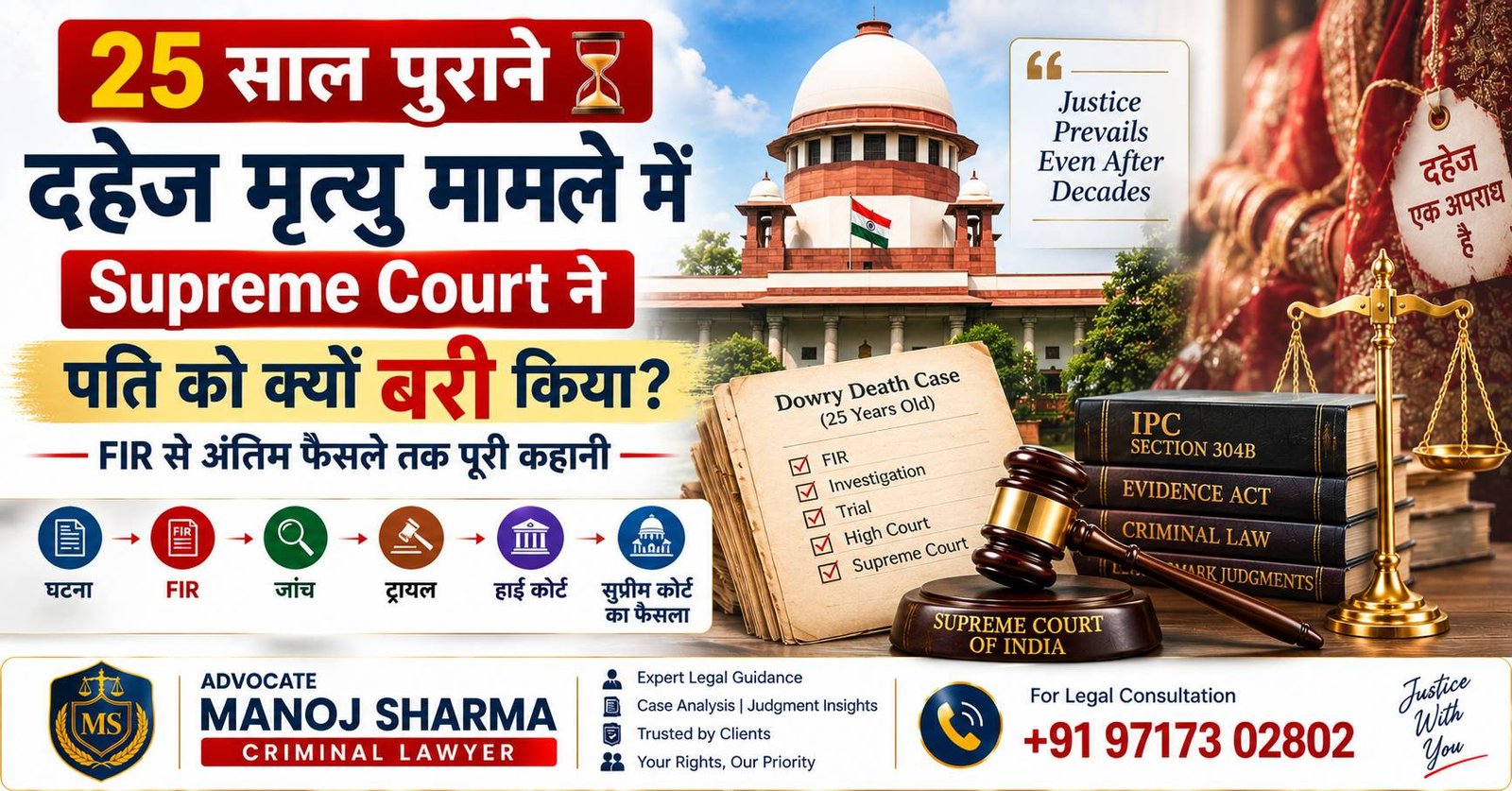
किसी criminal case में 25 साल का समय केवल एक तारीख नहीं होता। इस दौरान FIR से लेकर investigation, charge-sheet, trial, acquittal, further investigation, दूसरे trial, conviction, High Court की कार्यवाही और अंततः Supreme Court तक मामला पहुँच सकता है।
Brajesh Kumar @ Birjesh Kumar Singh v. The State of Bihar, 2026 INSC 695, ऐसा ही एक मामला है।
यह मामला वर्ष 2000 की एक महिला की burn injuries से हुई मृत्यु से शुरू हुआ और लगभग एक चौथाई सदी बाद Supreme Court के सामने पहुँचा। लेकिन इस मामले की सबसे महत्वपूर्ण बात केवल यह नहीं थी कि appellant को अंततः acquit किया गया।
इस case में Supreme Court के सामने एक असामान्य procedural history भी थी—एक ही FIR से दो अलग final reports, दो अलग Sessions Cases और दो अलग trials चले।
पहले trial में मृतका के सास-ससुर acquit हुए। दूसरे trial में पति अकेला convicted हुआ जबकि उसके परिवार के 14 अन्य सदस्य acquit हो गए। High Court ने conviction को सीधे affirm करने के बजाय matter को trial court को remand किया। इसके बाद Supreme Court ने merits पर मामला स्वयं examine किया और अंततः husband की conviction को set aside कर उसे acquit कर दिया।
लेकिन Supreme Court का reasoning केवल “दहेज का आरोप साबित नहीं हुआ” तक सीमित नहीं था।
Court ने investigation, prosecution evidence, dying declaration, defence evidence, medical material, FIR में देरी, post-mortem का अभाव, alleged dowry demand के evidence और police investigation की कमियों को एक साथ देखा।
मामला शुरू कैसे हुआ?
मामला appellant Brajesh Kumar @ Birjesh Kumar Singh की पत्नी की burn injuries से हुई मृत्यु से संबंधित था।
Supreme Court के judgment के अनुसार घटना 13 अप्रैल 2000 को हुई। मृतका को उसके matrimonial home से पहले District Hospital, Mirzapur ले जाया गया। वहाँ से उसे बेहतर इलाज के लिए Allahabad के एक private nursing home में ले जाया गया।
उसकी मृत्यु 2 मई 2000 को हुई।
अभियोजन का मूल आरोप था कि matrimonial home में लगातार dowry demand और cruelty का वातावरण था और इसी के कारण burn injuries की घटना हुई।
दूसरी तरफ defence का stand था कि घटना accidental थी और बाद की prosecution story में deceased के husband और उसके परिवार को गलत तरीके से फँसाया गया। Supreme Court ने अंतिम निर्णय में इसी competing version को evidence के संदर्भ में examine किया।
FIR / शुरुआती कार्यवाही में क्या हुआ?
मृतका की मृत्यु 2 मई 2000 को हुई, लेकिन FIR तुरंत दर्ज नहीं हुई।
Supreme Court के judgment के अनुसार deceased के पिता की complaint 15 मई 2000 को Munger में दी गई और उसके बाद 1 जून 2000 को Kotwali Police Station, Munger में FIR No. 272/2000 registered हुई।
FIR में मुख्य आरोप dowry demand और matrimonial cruelty से संबंधित थे।
Investigation में IPC की:
- Section 498A
- Section 304B
- Section 34
और Dowry Prohibition Act की Sections 3/4 को लगाया गया।
यहाँ एक महत्वपूर्ण procedural fact सामने आया।
पहली investigation के बाद 31 अक्टूबर 2000 की Final Report में investigating agency ने allegations को prima facie true माना था। लेकिन charge-sheet उस समय केवल दो accused—father-in-law और mother-in-law—के खिलाफ दाखिल की गई, जबकि FIR में अन्य 15 persons भी accused बनाए गए थे।
यहीं से इस मामले की unusual procedural journey शुरू होती है।
Trial Court में क्या हुआ?
पहली charge-sheet से Sessions Case No. 592/2001 बना।
इस case में मृतका के father-in-law और mother-in-law को आरोपी बनाया गया।
लेकिन trial के अंत में दोनों acquitted हो गए।
Supreme Court के judgment के अनुसार उसी 17 दिसंबर 2012 को दूसरे Sessions Case में भी फैसला आया।
दूसरा case था:
Sessions Case No. 504/2006
इसमें further investigation के बाद बचे हुए 15 accused के संबंध में अलग final report आई थी।
इस दूसरे trial में केवल husband—appellant Brajesh Kumar—convicted हुआ।
बाकी 14 accused acquitted हो गए।
अर्थात एक ही मूल FIR से judicial record में दो अलग trials का परिणाम यह रहा:
पहला trial:
Father-in-law + Mother-in-law → Acquitted
दूसरा trial:
Husband → Convicted
बाकी 14 accused → Acquitted
यह distinction आगे Supreme Court की reasoning के लिए महत्वपूर्ण बनी।
Trial Court ने क्या फैसला दिया और क्यों?
दूसरे Sessions Case में Trial Court ने husband को conviction दी।
Trial Court के सामने prosecution ने dowry demand और matrimonial cruelty की कहानी रखी।
लेकिन defence ने इसके विपरीत कई documents और witnesses पेश किए।
Appellant स्वयं DW1 के रूप में witness box में आया।
उसने घटना को accidental बताया और यह evidence दिया कि उसने अपनी पत्नी को बचाने की कोशिश की थी। उसके अनुसार fire incident में उसके अपने left hand पर भी burns आए थे। उसने wife के treatment से जुड़े documents और treatment expenses के records भी produce किए।
Defence ने joint investments, LIC policy, medical documents, treatment receipts, telegram receipts और telephone communication से जुड़े records भी सामने रखे।
Trial Court ने फिर भी prosecution case के हिस्सों को स्वीकार करते हुए conviction दर्ज की।
यही conviction बाद में High Court तक पहुँची।
High Court तक मामला कैसे पहुँचा?
Trial Court की conviction के खिलाफ appellant ने High Court का रुख किया।
High Court के सामने procedural difficulty यह बनी कि दोनों trials में evidence किस तरह record हुआ था और accused की presence में कौन से witnesses examine हुए थे।
Supreme Court के judgment के अनुसार दोनों cases को एक stage पर club किया गया था। उस समय कुछ witnesses examine हो चुके थे। बाद में further evidence jointly record किया गया, फिर दोनों cases को de-tag करके अलग-अलग adjudicate किया गया।
High Court ने इस procedural history को देखते हुए matter को trial court को remand किया।
यही remand order Supreme Court के सामने challenge हुआ।
High Court ने क्या फैसला दिया और क्यों?
High Court ने सीधे conviction को अंतिम रूप देने के बजाय matter को Trial Court को remand किया।
इस remand का आधार यह था कि जिस period में कुछ witnesses दूसरे case में examine हुए थे, उस समय convicted accused की presence का सवाल पैदा हुआ था।
Supreme Court ने record देखा कि कुछ witnesses accused की presence में examine हुए थे और कुछ बाद में दोनों cases को club किए जाने के बाद examine हुए।
Trial Court ने स्वयं यह ध्यान रखा था कि जिन witnesses को संबंधित accused की presence में examine किया गया था, उन्हीं की testimony को उसके खिलाफ evaluate किया जाए ताकि prejudice न हो।
लेकिन Supreme Court ने यह भी देखा कि मामला वर्ष 2000 का था, इसलिए केवल remand करके litigation को और लंबा करना उचित नहीं होगा।
इसलिए Supreme Court ने दोनों sides की consent/absence of objection को देखते हुए खुद merits पर मामले को examine किया।
Supreme Court तक मामला कैसे पहुँचा?
High Court के remand order के खिलाफ appellant Supreme Court पहुँचा।
Matter था:
Brajesh Kumar @ Birjesh Kumar Singh v. The State of Bihar
Criminal Appeal No. 3117 of 2026
arising out of:
Special Leave Petition (Criminal) No. 474 of 2026
Judgment:
13 July 2026
Neutral Citation:
2026 INSC 695
Supreme Court ने leave grant की और यह देखते हुए कि घटना लगभग 25 वर्ष पुरानी थी, remand के बजाय merits पर स्वयं मामले को decide करना उचित समझा।
Supreme Court के सामने असली कानूनी सवाल क्या थे?
इस case में Supreme Court को केवल यह तय नहीं करना था कि prosecution की कहानी believable है या नहीं।
Court के सामने कई interconnected questions थे।
पहला प्रश्न
क्या एक ही FIR से हुई investigation में दो अलग final reports और दो अलग trials की procedural history कानून के अनुसार थी?
दूसरा प्रश्न
जब first investigating officer की report में 17 accused के खिलाफ offences made out बताए गए थे, तो केवल दो accused के खिलाफ charge-sheet दाखिल करके बाकी के खिलाफ investigation जारी रखने का तरीका कितना legally sustainable था?
तीसरा प्रश्न
क्या subsequent investigation में बाकी 15 accused के खिलाफ evidence न मिलने की बात कहकर closure/final report दाखिल किए जाने के बाद Magistrate के पास उपलब्ध material के आधार पर cognizance लेने की power थी?
चौथा प्रश्न
क्या prosecution ने Section 498A और Section 304B IPC के ingredients को beyond reasonable doubt establish किया?
पाँचवाँ प्रश्न
क्या available medical evidence, dying declaration, prosecution witnesses और defence evidence को साथ पढ़ने पर husband की guilt सुरक्षित रूप से स्थापित होती है?
छठा प्रश्न
क्या investigation की कमियाँ इतनी महत्वपूर्ण थीं कि उन्होंने prosecution case की reliability को प्रभावित किया?
Supreme Court ने इन सभी को अलग-अलग compartments में नहीं, बल्कि पूरे evidentiary picture के रूप में देखा।
याचिकाकर्ता / Appellant की दलील क्या थी?
Appellant की defence मूल रूप से यह थी कि पत्नी की मृत्यु को बाद में dowry death की कहानी में बदला गया।
उसने कहा कि matrimonial relationship वैसा नहीं था जैसा prosecution ने portray किया।
Defence ने यह material रखा कि:
- husband और wife के नाम पर joint investments थे;
- wife के नाम/हित से जुड़ी financial arrangements थीं;
- husband ने घटना के समय पत्नी को बचाने का प्रयास किया;
- उसके स्वयं के हाथ पर burn injury आई;
- wife के treatment का खर्च husband ने उठाया;
- hospital treatment के records मौजूद थे;
- husband ने घटना के बाद father-in-law से contact किया;
- telegrams और telephone communication का documentary material उपलब्ध था।
सबसे महत्वपूर्ण defence material में Executive Magistrate द्वारा recorded dying declaration भी था।
उस declaration में deceased ने अपने in-laws को घटना के लिए जिम्मेदार नहीं ठहराया और घटना को accidental बताया था।
Defence का broader argument यह था कि prosecution evidence में इतने gaps हैं कि criminal conviction के लिए जरूरी standard—beyond reasonable doubt—पूरा नहीं होता।
State / Respondent की दलील क्या थी?
Prosecution case का आधार था कि marriage के बाद लगातार dowry demand की जाती रही।
Supreme Court के judgment में prosecution witnesses द्वारा लगभग ₹50,000 की dowry demand की बात दर्ज है।
Prosecution का case था कि यह demand marriage के बाद से लगातार चलती रही और matrimonial discord उसी background में हुआ।
इसलिए State की तरफ से यह position थी कि burn death को isolated accident की तरह नहीं देखा जाना चाहिए, बल्कि matrimonial cruelty और dowry demand के पूरे factual background में देखा जाना चाहिए।
लेकिन Supreme Court ने केवल allegation की existence नहीं देखी।
उसने पूछा:
क्या यह allegation reliable evidence से establish भी हुआ?
संबंधित Act और Sections क्या कहते हैं?
इस case की core statutory provisions Indian Penal Code, 1860 और Dowry Prohibition Act, 1961 से जुड़ी थीं। Judgment में IPC Sections 498A और 304B read with Section 34, तथा Dowry Prohibition Act की Sections 3/4 का उल्लेख है।
Section 498A IPC
यह husband या husband’s relatives द्वारा woman के साथ cruelty से संबंधित offence है।
Section 304B IPC
यह dowry death से संबंधित provision है।
इसमें marriage के सात वर्ष के भीतर death, सामान्य परिस्थितियों से अलग death और death से पहले dowry-related cruelty/harassment जैसे statutory ingredients महत्वपूर्ण होते हैं।
Section 34 IPC
यदि criminal act कई persons द्वारा common intention के अनुसार किया गया हो, तो यह provision joint liability के सिद्धांत से जुड़ता है।
Dowry Prohibition Act
Judgment में Sections 3/4 का भी उल्लेख है, जो dowry देने-लेने और dowry demand से संबंधित statutory framework का हिस्सा हैं।
इस case में statutory provisions को केवल list करना पर्याप्त नहीं था। Supreme Court ने देखा कि इन provisions के ingredients को उपलब्ध evidence वास्तव में establish करता है या नहीं।
संविधान इस मामले में क्या कहता है?
यह judgment कोई नया constitutional doctrine बनाने वाला फैसला नहीं है।
लेकिन criminal adjudication का मूल constitutional framework यहाँ महत्वपूर्ण है:
व्यक्ति को criminal conviction तभी दी जा सकती है जब prosecution legally admissible और reliable evidence के आधार पर guilt को required standard तक establish करे।
इस case में Supreme Court ने constitutional liberty को statutory criminal law के साथ पढ़ते हुए मुख्य focus proof, reasonable doubt और fair adjudication पर रखा।
यानी:
Dowry death का आरोप गंभीर है।
लेकिन:
गंभीर आरोप अपने-आप conviction का substitute नहीं बन सकता।
Supreme Court ने पुराने फैसलों को कैसे देखा?
Procedural side पर Supreme Court ने investigation और cognizance के संबंध को समझने के लिए पुराने authorities पर भरोसा किया।
विशेष रूप से:
H.N. Rishbud v. State of Delhi
Court ने investigation और cognizance के संबंध को explain किया।
Abhinandan Jha v. Dinesh Mishra
Closure report के बाद Magistrate की position और police opinion से Court की स्वतंत्रता का principle महत्वपूर्ण रहा।
H.S. Bains v. State (U.T. of Chandigarh)
Closure report मिलने पर Magistrate के available options पर reliance किया गया।
Ram Naresh Prasad v. State of Jharkhand
Police की closure opinion के बावजूद Court की cognizance लेने की power को देखा गया।
Ramswaroop Soni v. State of M.P.
Closure report और Magistrate के options के संबंध में earlier law को reaffirm किया गया।
इसके अतिरिक्त Mariam Fasihuddin v. State by Adugodi Police Station को further investigation और supplementary charge-sheet के संदर्भ में discuss किया गया।
यह हिस्सा महत्वपूर्ण है क्योंकि Supreme Court केवल यह नहीं देख रहा था कि “police investigation खराब थी।”
Court यह भी बता रहा था कि police की investigation और Court की cognizance-taking power दो अलग judicial stages हैं।
Supreme Court ने क्या reasoning दी?
यह judgment का सबसे महत्वपूर्ण हिस्सा है।
1. Police की भूमिका और Magistrate की भूमिका एक जैसी नहीं है
Supreme Court ने CrPC के पुराने statutory framework को देखते हुए कहा कि police report में police यह opinion दे सकती है कि sufficient evidence नहीं मिला, लेकिन Magistrate उस opinion से mechanically bound नहीं होता।
Closure report का मतलब यह नहीं कि Court के पास matter देखने का रास्ता खत्म हो गया।
Magistrate के पास material देखकर cognizance लेने या further investigation का रास्ता मौजूद रहता है।
2. इस case में investigation की शुरुआत ही unusual थी
पहली final report में investigation ने offences को prima facie made out माना था।
फिर भी charge-sheet केवल दो accused के खिलाफ दाखिल की गई और बाकी 15 के खिलाफ investigation जारी रखी गई।
Supreme Court ने माना कि ऐसी स्थिति में आगे की investigation ideally Court के supervision/order के साथ आगे बढ़नी चाहिए थी, न कि केवल SP के निर्देश पर। Judgment में Court ने इस संदर्भ में Section 158 और Section 173 CrPC के framework को examine किया।
3. लेकिन procedural defect का मतलब automatic acquittal नहीं
यह distinction बहुत महत्वपूर्ण है।
Supreme Court ने earlier law का सहारा लेते हुए कहा कि investigation में illegality होने मात्र से cognizance या पूरा trial स्वतः void नहीं हो जाता।
देखना होगा कि उस illegality से miscarriage of justice हुआ या नहीं।
इसलिए Court ने procedural issue को merits से अलग करके नहीं छोड़ा। उसने evidence भी independently examine किया।
Evidence पर Supreme Court ने क्या पाया?
यहाँ judgment की reasoning और अधिक महत्वपूर्ण हो जाती है।
Prosecution witnesses dowry demand of ₹50,000 की बात दोहराते रहे।
लेकिन Court ने इस evidence को specific, independent corroboration के बिना एक repeated assertion के रूप में देखा।
Supreme Court ने यह भी नोट किया कि Investigating Officer ने matrimonial home के बाहर किसी independent neighbour witness को सामने नहीं लाया जो alleged continuing marital discord को support करता।
I.O. ने यह भी स्वीकार किया कि Mirzapur या Allahabad में investigation का महत्वपूर्ण हिस्सा effectively नहीं किया गया।
Dying Declaration का क्या हुआ?
यह case का सबसे delicate evidence point है।
Executive Magistrate ने deceased का statement record किया था।
Doctor ने उसकी fitness certify की थी।
उस statement में deceased ने कहा कि वह अपने बच्चे के लिए milk boil कर रही थी और gas stove की rubber pipe disconnect होने के बाद flames उसके शरीर तक पहुँचीं।
उसने अपने in-laws को घटना के लिए जिम्मेदार नहीं बताया।
लेकिन Supreme Court ने इस dying declaration को सीधे और अकेले आधार पर husband को acquit नहीं किया।
Court ने कहा कि जब dying declaration exculpatory हो, तब उसे surrounding circumstances के साथ सावधानी से देखना होगा।
इस case में deceased hospital में husband और in-laws की देखरेख में थी। इसलिए Court ने कहा कि declaration को कुछ circumspection के साथ देखना होगा और उस पर अकेले निर्भर नहीं किया जा सकता।
लेकिन महत्वपूर्ण बात यह है कि:
Court ने dying declaration को पूरी तरह ignore करके prosecution evidence को स्वीकार भी नहीं किया।
उसने बाकी circumstances के साथ इसे पढ़ा।
और बाकी evidence भी prosecution के लिए पर्याप्त नहीं निकला।
Defence evidence ने Supreme Court के सामने क्या बदला?
यहाँ इस judgment का एक महत्वपूर्ण rare point है।
Criminal trial में defence evidence को केवल इसलिए कम महत्व नहीं दिया जा सकता क्योंकि prosecution पहले ही अपना narrative बना चुका है।
इस case में husband स्वयं witness box में आया।
उसने treatment documents, medical certificate, financial records, telephone communication, telegrams और अन्य documents produce किए।
उसके left hand की burn injury का medical evidence भी record पर था।
Supreme Court ने देखा कि husband के treatment-related conduct और documentary evidence को prosecution story के साथ मिलाकर देखने पर prosecution narrative में serious doubts पैदा होते हैं।
Supreme Court ने आखिर क्या फैसला सुनाया?
Supreme Court ने अंततः पाया कि prosecution husband के खिलाफ अपना case beyond reasonable doubt establish नहीं कर पाया।
Court ने कई circumstances को एक साथ देखा:
- dowry demand के evidence की कमजोरी;
- independent neighbourhood evidence का अभाव;
- investigation की कमियाँ;
- post-mortem का न होना;
- burn injuries की forensic examination का अभाव;
- dying declaration का existence;
- dying declaration को लेकर prosecution की handling;
- treatment records;
- husband द्वारा wife को hospital ले जाने का evidence;
- defence द्वारा प्रस्तुत documentary evidence;
- prosecution witnesses के statements में inconsistencies।
Court ने कहा कि prosecution ने यह establish नहीं किया कि husband या उसके family members ने ऐसी cruelty या dowry demand की थी जिससे death की घटना को legally dowry death के रूप में establish किया जा सके।
इसलिए Supreme Court ने appeal allow कर दी।
इस Judgment से कौन सा कानूनी सिद्धांत साफ हुआ?
इस judgment से कम-से-कम तीन बातें विशेष रूप से सामने आती हैं।
पहला — Closure Report police का अंतिम फैसला नहीं है
Police investigation में closure/final report देने के बाद भी Magistrate उस report से mechanically bound नहीं है। वह उपलब्ध material के आधार पर cognizance ले सकता है या further investigation के लिए appropriate order कर सकता है।
दूसरा — Investigation की गलती और trial की validity अलग प्रश्न हैं
Invalid या defective investigation अपने-आप पूरे trial को समाप्त नहीं करती।
Court को देखना होता है कि defect ने actual miscarriage of justice पैदा किया या नहीं।
तीसरा — गंभीर offence में भी conviction evidence से होगी
Dowry death और cruelty के allegations गंभीर हैं।
लेकिन criminal conviction केवल allegation की seriousness से नहीं हो सकती।
Prosecution को required standard तक अपना case establish करना होगा।
इस फैसले का महत्वपूर्ण/दुर्लभ बिंदु जिसे नजरअंदाज नहीं करना चाहिए
इस judgment का सबसे rare procedural point शायद एक ही FIR से दो final reports और दो trials का पूरा sequence है।
पहली investigation में 17 लोगों के खिलाफ allegations को support करने वाला material बताया गया।
फिर charge-sheet केवल दो लोगों के खिलाफ आई।
बाद में further investigation हुई।
दूसरी final report में बाकी 15 के खिलाफ evidence नहीं मिलने की बात कही गई।
फिर उसी FIR से दूसरे accused group का अलग trial चला।
और अंततः उस दूसरे trial में केवल husband convicted हुआ।
यहाँ Supreme Court ने एक महत्वपूर्ण institutional point उठाया:
Investigation की direction तय करना और cognizance लेना Court के statutory domain को bypass करके केवल police hierarchy के administrative direction से नहीं चलाया जा सकता।
लेकिन Court ने साथ ही यह भी स्पष्ट किया कि procedural irregularity को देखकर सीधे trial को nullify करना भी सही approach नहीं है।
पहले यह देखना होगा कि उस irregularity का न्याय पर वास्तविक प्रभाव क्या पड़ा।
कानूनी व्याख्या
इस judgment को केवल “Supreme Court ने 25 साल बाद husband को acquit कर दिया” कह देना अधूरा होगा।
इस case में Supreme Court ने prosecution की पूरी chain को देखा।
एक तरफ dowry demand का allegation था।
दूसरी तरफ उसी allegation के independent corroboration की कमी थी।
एक तरफ dying declaration मौजूद थी।
दूसरी तरफ Court ने उसके exculpatory nature और surrounding circumstances को सावधानी से देखा।
एक तरफ prosecution ने husband और family पर blame लगाया।
दूसरी तरफ defence ने hospital treatment, medical records, financial documents और contemporaneous communications सामने रखे।
फिर investigation का सवाल आया—और Court ने पाया कि investigation में भी ऐसे gaps थे जिन्हें नजरअंदाज नहीं किया जा सकता था।
मेरे विचार से इस judgment का सबसे महत्वपूर्ण lesson यह है:
Criminal trial में narrative नहीं, पूरी evidentiary chain निर्णायक होती है।
किसी महिला की burn death को केवल matrimonial allegation के आधार पर explain नहीं किया जा सकता; लेकिन defence द्वारा प्रस्तुत exculpatory material को भी केवल इसलिए discard नहीं किया जा सकता कि allegation serious है।
इसी तरह investigation में procedural deviation मिलने का अर्थ यह भी नहीं कि accused automatic acquittal का हकदार हो गया। Court को अन्ततः यह देखना पड़ता है कि उपलब्ध admissible evidence conviction को सुरक्षित रूप से support करता है या नहीं।
इस case में Supreme Court के सामने वह threshold पूरा नहीं हुआ।
अंतिम परिणाम: कौन जीता, किसे क्या राहत मिली?
Supreme Court ने appellant Brajesh Kumar @ Birjesh Kumar Singh की appeal allow कर दी।
इसका सीधा परिणाम:
Sessions Court की conviction set aside हुई।
High Court का remand order भी set aside हुआ।
और appellant को:
Acquitted
कर दिया गया।
Supreme Court ने यह भी कहा कि यदि appellant bail पर था, तो bail bonds cancel होंगे; और यदि किसी अन्य मामले में required नहीं है तथा custody में है, तो उसे release किया जाएगा।
इस प्रकार लगभग 25 वर्ष पुराने criminal prosecution का Supreme Court में appellant के पक्ष में अंत हुआ।
लेकिन यह भी उतना ही महत्वपूर्ण है कि Court ने prosecution की failure को देखकर कोई blanket rule नहीं बनाया कि dowry-death cases में prosecution evidence पर भरोसा नहीं किया जा सकता।
फैसला इस particular record और evidence पर आधारित था।
Original Supreme Court Judgment
Case: Brajesh Kumar @ Birjesh Kumar Singh v. The State of Bihar
Criminal Appeal No.: 3117 of 2026
SLP (Crl.) No.: 474 of 2026
Neutral Citation: 2026 INSC 695
Judgment Date: 13 July 2026
Court: Supreme Court of India
Bench: Justice Sanjay Kumar और Justice K. Vinod Chandran
Result: Appeal Allowed; appellant acquitted.
Original Supreme Court judgment को primary record के रूप में पढ़ना चाहिए। उपलब्ध judgment record में पूरा 30-page judgment है, जिसमें procedural history, statutory issues, evidence और final reasoning दर्ज है।
Related Supreme Court Judgments
इस judgment में investigation, closure report और cognizance के संदर्भ में Supreme Court ने जिन authorities पर विचार किया, उनमें प्रमुख हैं:
- H.N. Rishbud v. State of Delhi
- Abhinandan Jha v. Dinesh Mishra
- H.S. Bains v. State (U.T. of Chandigarh)
- Ram Naresh Prasad v. State of Jharkhand
- Ramswaroop Soni v. State of M.P.
- Mariam Fasihuddin v. State by Adugodi Police Station
इन precedents को इस case के procedural issue के साथ पढ़ने पर यह समझ आता है कि police report, further investigation, closure report और Magistrate की cognizance-taking power एक-दूसरे से जुड़े होने के बावजूद एक ही चीज नहीं हैं।
इस फैसले से जुड़े महत्वपूर्ण सवाल — FAQ –
क्या Supreme Court ने Brajesh Kumar को दहेज मृत्यु के मामले में बरी कर दिया?
हाँ। Supreme Court ने prosecution द्वारा guilt को beyond reasonable doubt सिद्ध न किए जाने के आधार पर appellant की conviction को set aside करते हुए उसे acquit कर दिया।
इस मामले में FIR कब दर्ज हुई थी?
मृतका की मृत्यु 2 मई 2000 को हुई थी। उसके पिता की complaint 15 मई 2000 को दी गई और उसके बाद 1 जून 2000 को FIR No. 272/2000 दर्ज हुई थी।
एक ही FIR से दो अलग Sessions Cases कैसे बने?
पहली investigation के बाद दो accused के खिलाफ charge-sheet दाखिल हुई और उससे Sessions Case No. 592/2001 बना। बाद में further investigation के बाद बाकी accused से संबंधित अलग final report और proceedings के आधार पर Sessions Case No. 504/2006 चला। Supreme Court ने इस unusual procedural history को अपने judgment में विस्तार से examine किया।
क्या Trial Court ने Brajesh Kumar को दोषी ठहराया था?
हाँ। Sessions Case No. 504/2006 में Trial Court ने Brajesh Kumar को convict किया था, जबकि उसके साथ trial में शामिल अन्य 14 accused को acquit कर दिया गया था।
High Court ने Brajesh Kumar की conviction पर क्या किया?
High Court ने matter को Trial Court को remand किया था। इसके बाद Supreme Court ने मामले की पुरानी procedural history और evidence को देखते हुए merits पर स्वयं विचार किया।
Supreme Court ने defence evidence को क्यों महत्व दिया?
क्योंकि criminal trial में केवल prosecution evidence ही relevant नहीं होता। इस case में defence ने medical records, treatment-related documents, financial records, communications और appellant की अपनी testimony के माध्यम से prosecution narrative को challenge किया था। Supreme Court ने इन circumstances को पूरे evidence के साथ पढ़ा।
क्या Supreme Court ने dying declaration को पूरी तरह स्वीकार कर लिया था?
नहीं। Court ने dying declaration को उसके surrounding circumstances के साथ examine किया। चूँकि declaration में deceased ने incident को accidental बताया था और accused/in-laws को सीधे responsible नहीं ठहराया था, Court ने इसे prosecution evidence के साथ सावधानी से evaluate किया।
क्या investigation में कमी होने से criminal case अपने-आप खत्म हो जाता है?
नहीं। Supreme Court ने procedural irregularity और trial की validity को अलग-अलग प्रश्न माना। केवल defective investigation अपने-आप acquittal का कारण नहीं बनती; Court को यह भी देखना होता है कि उस defect का न्याय और prosecution case पर वास्तविक प्रभाव क्या पड़ा।
क्या police की Final Report को Magistrate को हर स्थिति में मानना पड़ता है?
नहीं। Supreme Court ने पुराने precedents के आधार पर स्पष्ट किया कि police की opinion और Magistrate की judicial power अलग हैं। Closure/final report के बाद भी Magistrate उपलब्ध material के आधार पर कानून के अनुसार आगे की कार्रवाई कर सकता है।
क्या इस judgment का मतलब है कि हर dowry death case में prosecution को बहुत ज्यादा independent witnesses लाने ही पड़ेंगे?
ऐसा कोई universal rule इस judgment ने नहीं बनाया। इस case में Court ने prosecution evidence को उसके particular factual record में evaluate किया और independent corroboration के अभाव सहित कई circumstances को cumulative manner में देखा।
क्या केवल dowry demand का आरोप Section 304B IPC में conviction के लिए पर्याप्त है?
नहीं। Section 304B के statutory ingredients को evidence के आधार पर establish करना आवश्यक है। इस case में Supreme Court ने यही देखा कि उपलब्ध evidence statutory requirements और criminal standard of proof को satisfy करता है या नहीं।
क्या Supreme Court ने कहा कि Brajesh Kumar के खिलाफ कोई offence हुआ ही नहीं था?
Supreme Court ने ऐसा broad declaration नहीं किया। Court ने यह निर्धारित किया कि उपलब्ध prosecution evidence के आधार पर appellant की criminal conviction को beyond reasonable doubt sustain नहीं किया जा सकता।
क्या यह Supreme Court judgment आज के हर dowry death case पर सीधे लागू होगा?
नहीं। किसी precedent की applicability facts, statutory provisions, evidence और उस judgment में निर्धारित legal principle पर निर्भर करती है। इस judgment को किसी अलग case में लागू करने से पहले उस case के facts और subsequent precedents को देखना आवश्यक है।
कानूनी अस्वीकरण — Legal Disclaimer
यह लेख केवल कानूनी जानकारी, न्यायिक निर्णय के अध्ययन और शैक्षणिक/सूचनात्मक उद्देश्य से प्रकाशित किया गया है। इसका उद्देश्य किसी व्यक्ति के लिए व्यक्तिगत legal advice, legal opinion, representation अथवा किसी मुकदमे के परिणाम की गारंटी देना नहीं है।
इस लेख में case history, judicial proceedings, statutory provisions और Supreme Court की reasoning को उपलब्ध judicial records और संबंधित legal sources के आधार पर समझाने का प्रयास किया गया है। जहाँ किसी तथ्य का उल्लेख FIR, prosecution case, defence version अथवा witness statement के संदर्भ में किया गया है, उसे उसी procedural/evidentiary context में समझा जाना चाहिए। किसी allegation को केवल article में प्रकाशित होने के कारण सिद्ध तथ्य नहीं माना जाना चाहिए।
Criminal matters में legal position case-specific होती है। FIR, investigation, chargesheet/final report, evidence, witness testimony, trial-court findings, High Court orders, subsequent Supreme Court judgments और लागू कानून के आधार पर परिणाम अलग हो सकता है।
कानून में समय के साथ legislative amendments, नए judicial precedents, review/curative proceedings अथवा अन्य subsequent orders के कारण परिवर्तन संभव है। इसलिए इस article को किसी pending या proposed legal proceeding में अकेले आधार के रूप में इस्तेमाल नहीं किया जाना चाहिए।
इस article में व्यक्त कानूनी व्याख्या और editorial analysis को Supreme Court के binding judgment/order के रूप में नहीं पढ़ा जाना चाहिए। Original judicial record को प्राथमिक स्रोत माना जाना चाहिए।
यदि इस article में दी गई किसी जानकारी और संबंधित official court record के बीच कोई अंतर हो, तो official judicial record को प्राथमिकता दी जानी चाहिए।
Lucknow में Criminal, Bail और High Court Matters के लिए कानूनी सलाह
यदि आपका मामला criminal case, FIR, arrest, regular bail, anticipatory bail, 498A, dowry-related offence, criminal appeal, revision, quashing या High Court proceedings से संबंधित है और उसका संबंध Lucknow अथवा Allahabad High Court की Lucknow Bench के jurisdiction से है, तो मामले के वास्तविक documents और procedural stage को देखकर ही legal strategy तय की जानी चाहिए।
Advocate Manoj Sharmab( Criminal Lawyer ), High Court, Lucknow Bench में practice करते हैं। किसी Supreme Court judgment को अपने मामले पर लागू करने से पहले FIR, sections invoked, available evidence, lower-court orders, custody position और applicable precedents का case-specific examination आवश्यक हो सकता है।
यदि आपका criminal या bail matter Lucknow jurisdiction से संबंधित है, तो अपने available case documents के साथ professional legal consultation ली जा सकती है।